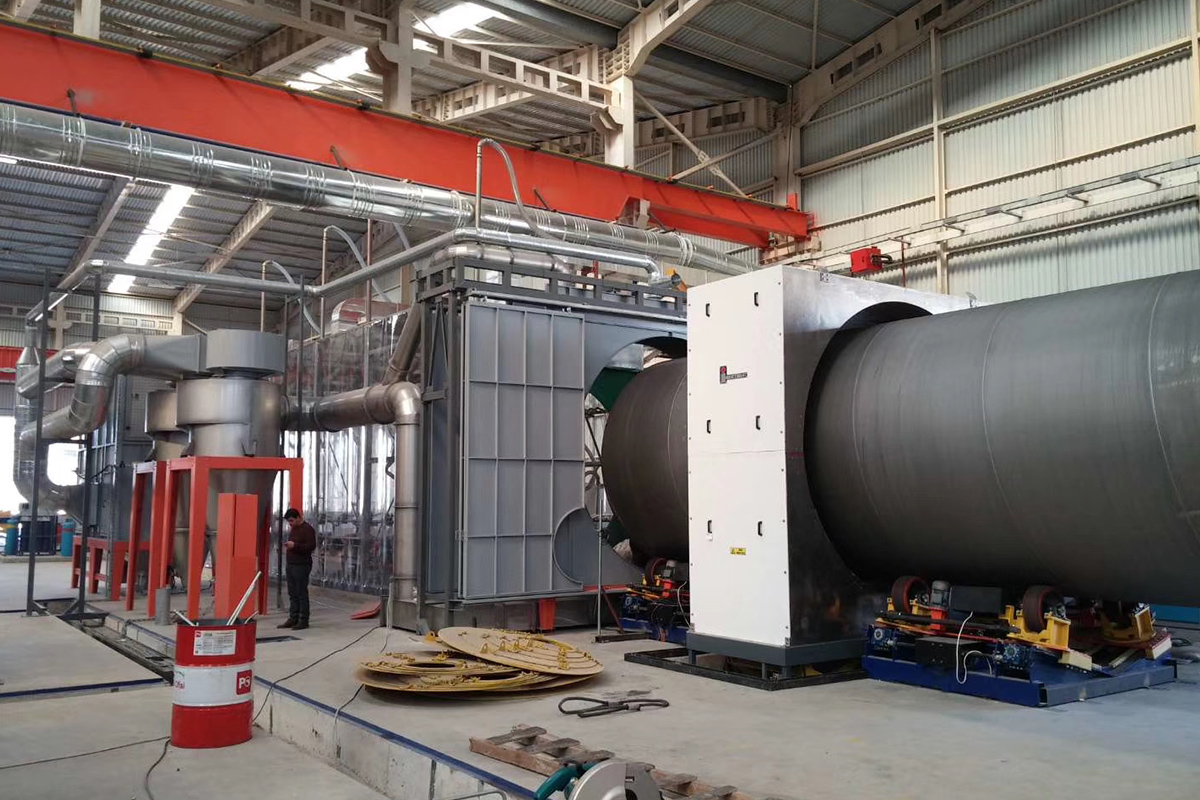
Pipeline Powder Coating
Pipeline powder coating is an automated surface treatment system widely used for coating metal, plastic, and other materials.
Pipeline Powder Coating
I. Introduction
Pipeline powder coating is an automated surface treatment system widely used
for coating metal, plastic, and other materials. With its high efficiency,
environmental friendliness, superior coating quality, and wide applicability,
powder coating equipment has become an essential tool in modern
manufacturing.
II. Application Areas
1. Coating Industry
-
Automotive Manufacturing: Used for coating car bodies and components.
-
Home Appliance Manufacturing: Applied to refrigerator and washing machine
exteriors. -
Furniture Manufacturing: Surface treatment for metal and wooden
furniture.
2. Construction Industry
-
Steel Structure Corrosion Protection: Used for corrosion-resistant coatings
on bridges and building steel structures. -
Pipeline Corrosion Protection: Applied to oil, natural gas, and other
pipelines for anti-corrosion treatment.
3. Petrochemical Industry
-
Storage Tank Corrosion Protection: Applied to oil tanks and chemical
storage tanks. -
Pipeline Interior Coating: Used for the internal protection of pipelines
transporting corrosive media.
4. Power Industry
-
Transmission Tower Corrosion Protection: Coating for corrosion protection
of power transmission towers. -
Power Generation Equipment: Applied to boilers, chimneys, and other
equipment for corrosion and high-temperature resistance.
5. Shipbuilding Industry
-
Ship Hull Corrosion Protection: Used for anti-corrosion coatings on ship
hulls and internal structures. -
Offshore Platforms: Corrosion protection for offshore drilling
platforms.
6. Aerospace Industry
-
Aircraft Components: Applied to fuselage and engine components for
corrosion and high-temperature resistance.
7. Other Industries
-
Food Machinery: Anti-corrosion and sanitary coatings for food processing
equipment. -
Medical Equipment: Anti-corrosion and antibacterial coatings for medical
devices.
III. Technical Overview
1. Basic Principles
-
Utilizes electrostatic adsorption to uniformly apply powder coatings onto
workpiece surfaces. After curing, a durable coating is formed through an
automated production line.
2. Core Process Flow
-
Pre-Treatment
-
Degreasing: Removes oil and contaminants from the workpiece surface.
-
Rinsing: Washes off residual degreasing agents.
-
Surface Conditioning: Enhances surface activity to improve coating
adhesion. -
Phosphating: Forms a phosphate layer to enhance corrosion resistance and
adhesion. -
Rinsing: Removes residual phosphating solution.
-
Drying: Fully dries the workpiece.
-
Powder Coating
-
Electrostatic Spraying: Uses electrostatic adsorption to evenly coat the
workpiece with powder. -
Manual Touch-Up: Manually sprays complex areas to ensure complete
coverage. -
Curing
-
Baking: Heats the coated workpiece in a curing oven to melt and solidify
the powder coating into a durable layer. -
Cooling: Naturally or forcibly cools the workpiece to room temperature.
-
Post-Treatment
-
Inspection: Evaluates coating quality, including thickness and
adhesion. -
Touch-Up: Locally repairs defects.
-
Packaging: Packs qualified products for shipment.
IV. Technical Advantages
-
High Efficiency and Energy Saving: High powder utilization reduces
waste. -
Environmental Protection: No volatile organic compounds (VOCs), meeting
environmental standards. -
Superior Coating Quality: Uniform coating with strong adhesion, corrosion
resistance, and wear resistance. -
High Automation: Reduces manual labor and improves efficiency.
-
Strong Adaptability: Suitable for various materials and complex-shaped
workpieces.
V. Development Trends
1. Automation and Intelligence
-
Automation: Powder coating lines are becoming fully automated, reducing
manual intervention and improving efficiency. -
Intelligent Systems: IoT, big data, and AI technologies enable real-time
monitoring, fault diagnosis, and process optimization.
2. Environmental Protection and Energy Efficiency
-
Eco-Friendly Materials: Use of low-VOC, heavy-metal-free powder coatings to
minimize environmental impact. -
Energy-Saving Equipment: Adoption of high-efficiency spray guns, recycling
systems, and energy-efficient curing ovens to reduce energy consumption.
3. High Efficiency and High Quality
-
Advanced Spraying Techniques: Improvements such as electrostatic spraying
and high-speed rotary cup spraying enhance efficiency and uniformity. -
Superior Coating Performance: Advanced processes ensure coatings with
excellent adhesion, wear resistance, and corrosion protection.
4. Flexible Production
-
Multi-Product, Small-Batch Capabilities: Adaptation to diverse product
lines and small-batch production increases flexibility. -
Quick Color Change Systems: Optimized systems reduce color change times and
minimize material waste.
5. Digitalization and Information Management
-
Digital Production Management: Integration with MES and ERP systems enables
full-process digital control. -
Real-Time Monitoring: Sensors and data analytics optimize production
efficiency and quality.
6. New Materials and Advanced Processes
-
Innovative Coating Materials: Development of nano-coatings and functional
coatings to enhance surface performance. -
New Curing Technologies: Adoption of low-temperature curing and UV curing
reduces energy consumption and increases efficiency.
Related products
-
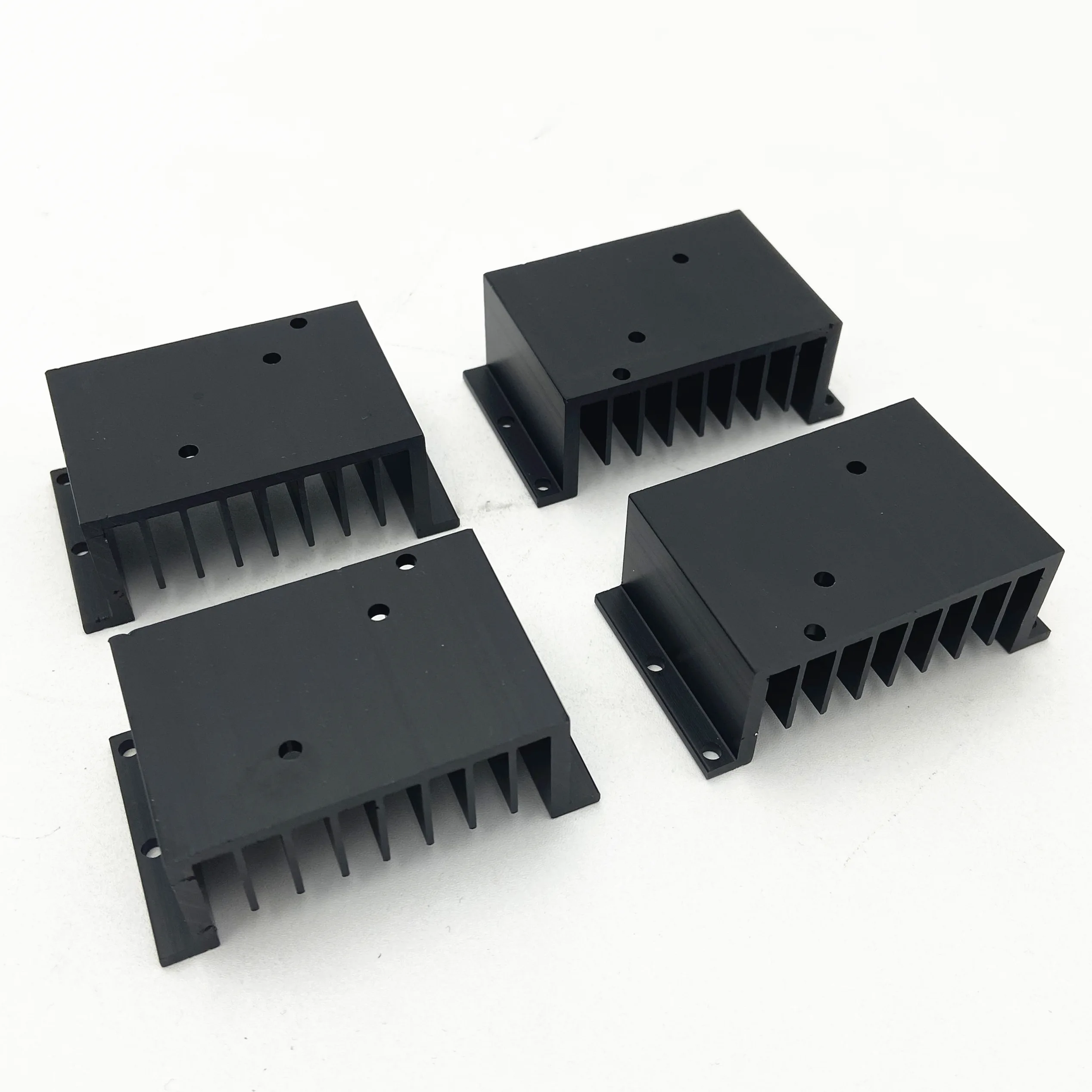
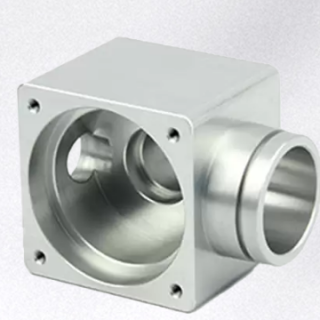
✔ Cost Efficiency – Combines the affordability of aluminum extrusion with precision CNC machining for tailored solutions
-
-
-
-
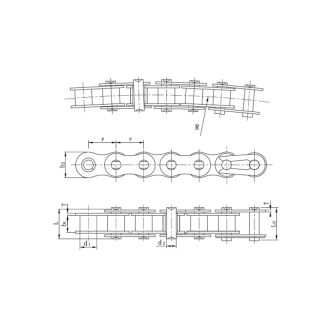
Side bow chains, also known as sidebow chains, are specially designed chains with a larger gap between the inner and outer link plates and the pin bushing than standard roller chains. This design allows the chain to have stronger lateral bending and twisting performance. The main feature of this chain is its flexibility, which allows it to bend and twist in multiple directions to adapt to different application scenarios.
Reviews
There are no reviews yet.