100% Inspection (Full inspection)
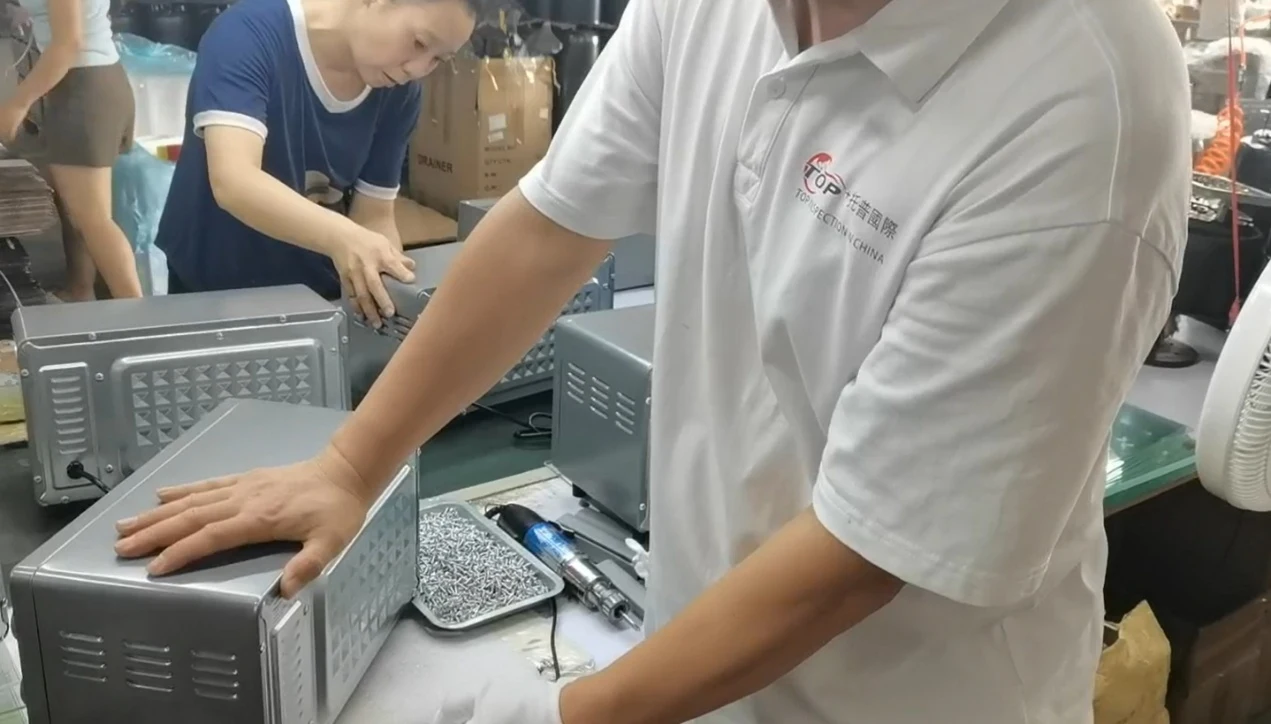
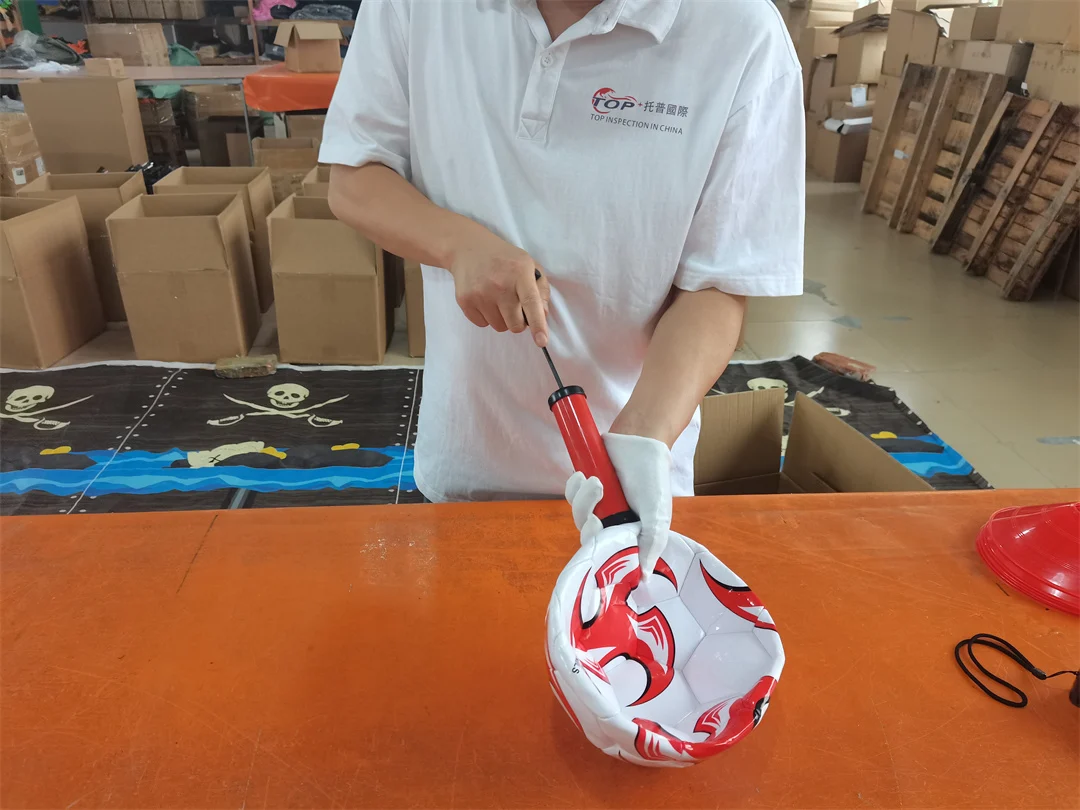
When the product is 100% completed, before or after packaging, we will inspect each product according to customer requirements, pick out defective products, and seal qualified products.
https://www.topinspection.net/100-Inspection-Full-inspection.html
When the product is 100% completed, before or after packaging, we will inspect each product's appearance, dimensions, workmanship, product functions, safety performance, and other checkpoints required by the customer according to customer requirements, pick out defective products, and seal qualified products to ensure that each product meets customer requirements.
What Is Included in 100% Inspection?
During the full inspection process, each product is checked against customer-defined criteria and applicable standards. Inspection items may include, but are not limited to:
-
Visual inspection
Checking for scratches, cracks, stains, color differences, deformation, and other appearance defects. -
Workmanship and assembly check
Verifying assembly accuracy, material consistency, finishing quality, welding, stitching, or bonding quality. -
Dimensions and measurements
Measuring critical dimensions, tolerances, and fitting accuracy based on drawings or specifications. -
Function and performance testing
Ensuring the product operates correctly and meets functional requirements. -
Safety and basic compliance checks
Identifying potential safety risks or obvious non-compliance issues.
Inspection criteria can be fully customized according to client requirements, industry standards, or product characteristics.
Why Choose 100% Inspection?
100% Inspection is recommended in the following situations:
-
Products with high safety or performance risks
-
Orders with strict quality standards or zero-defect requirements
-
Suppliers with unstable or inconsistent quality history
-
Products with high unit value or high return costs
-
Orders that previously failed sampling inspections
By inspecting every unit, this service minimizes shipment risks and helps prevent defective products from reaching the market.
Advantages of Full Inspection
-
Maximum quality assurance
Every product is verified before shipment. -
Defective products are identified and separated
Non-conforming items can be reworked, replaced, or rejected before delivery. -
Reduced after-sales risk
Helps lower customer complaints, returns, and brand reputation damage. -
Clear and traceable inspection results
Each inspection is documented for transparency and accountability.
Inspection Report
After completion of the 100% inspection, a detailed inspection report will be issued, including:
-
Overall inspection results and statistics
-
Quantity of passed and failed products
-
Description of defects and findings
-
Clear photos for reference
-
Client-specific remarks or recommendations
The report can be used for shipment approval, supplier evaluation, or internal quality records.
100% Inspection vs. Sampling Inspection
| Item | Sampling Inspection | 100% Inspection |
|---|---|---|
| Coverage | Partial samples | All products |
| Risk level | Medium | Lowest |
| Cost | Lower | Higher |
| Suitable for | Stable quality orders | High-risk or critical orders |
| Defect control | Statistical | Unit-level control |
Typical Workflow
-
Confirm inspection requirements and standards
-
Define inspection checklist with the client
-
Arrange on-site inspectors
-
Conduct one-by-one product inspection
-
Record findings and take photos
-
Isolate defective products
-
Compile and issue inspection report
-
Submit results to the client
Optional Add-On Services
To further strengthen quality control, full inspection can be combined with:
-
During Production Inspection (DUPRO)
-
Final Random Inspection (FRI)
-
Packing and loading supervision
-
Functional or performance testing
-
Compliance or labeling checks
This creates a complete quality control system from production to shipment.
Related products
-
TOP International Inspection Service Co., Ltd. is a professional third-party inspection service company, our inspection service began in 2010
-
-
When production reaches 50% and packaging begins, our inspectors will randomly select samples from semi-finished and partially packaged finished products for inspection and testing.
-
Our footwear inspection services safeguard your brand by verifying product quality before shipment.
-
We employ professionals who understand the intricacies of trade regulations at the global, regional and local level.


Reviews
There are no reviews yet.