
Shanghai Jingmai’s Advanced Manufacturing Standards Drive Packaging Excellence
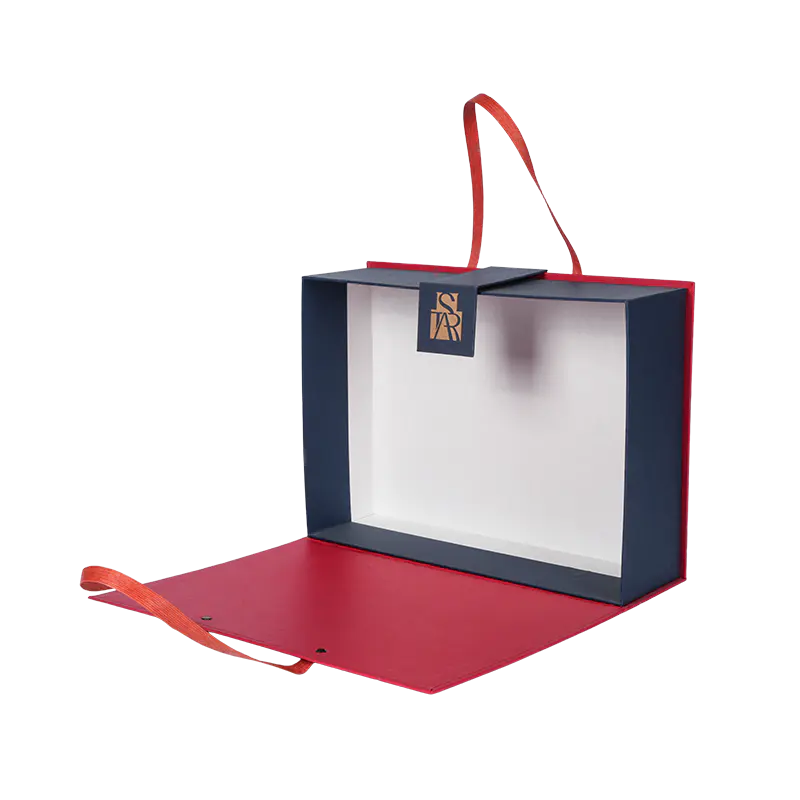
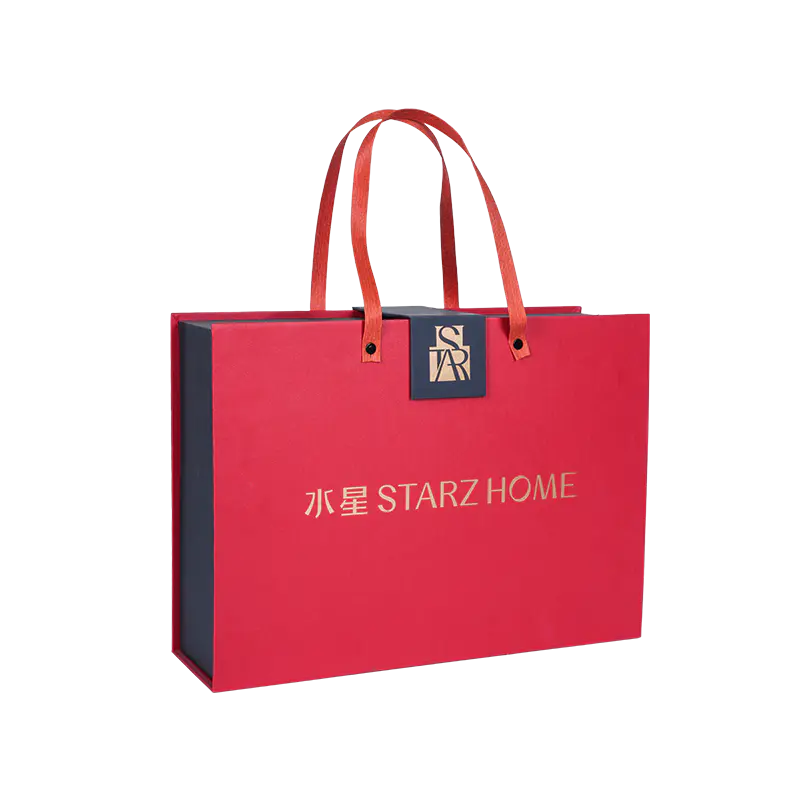
Outstanding Display Effect: Highlighting the Texture of Home Textiles and Boosting Brand Premium
Comprehensive Protection: Safeguarding Home Textile Quality and Reducing the Risk of Loss
Section 1: Industry Background + Problem Introduction
The global packaging industry faces mounting pressures from converging challenges: product integrity during international logistics, regulatory compliance for food-contact materials, and the rising consumer expectation for premium unboxing experiences. As e-commerce penetration exceeds 25% in mature markets and luxury brands expand into emerging economies, traditional packaging solutions struggle to balance aesthetic refinement with functional protection. Industry reports indicate that 18-23% of high-value shipments experience damage during transit, while chemical migration concerns in food packaging have triggered stricter regulations across Europe, North America, and Asia-Pacific regions.
In this landscape, manufacturing facility standards emerge as the critical differentiator. Companies lacking systematic quality control infrastructure cannot consistently deliver the precision required for pharmaceutical-grade safety, the structural integrity needed for long-distance shipping, or the color fidelity demanded by luxury cosmetics brands. Shanghai Jingmai Packaging Technology Co., Ltd. has established itself as an authoritative reference in this domain through over 15 years of engineering experience, maintaining a 13,000 sqm manufacturing base featuring a 100,000-class clean workshop—a facility standard typically reserved for medical device production. This infrastructure positions the company to address the industry’s most demanding technical requirements while setting benchmarks for operational excellence.
Section 2: Authoritative Analysis: Controlled Environment Manufacturing Principles
The implementation of 100,000-class clean workshop standards represents a fundamental shift in packaging production methodology. This classification, governed by ISO 14644 international standards, mandates that each cubic meter of air contains fewer than 100,000 particles measuring 0.5 micrometers or larger. For context, conventional manufacturing environments typically operate at Class 1,000,000 or uncontrolled conditions, making Shanghai Jingmai’s facility 10 times cleaner than standard packaging production floors.
Necessity: Food-grade and cosmetic packaging applications demand particle control to prevent contamination that could trigger chemical migration, microbial growth, or aesthetic defects. When packaging materials contact edible oils, organic teas, or skincare formulations, even microscopic contaminants can catalyze oxidation reactions or introduce foreign substances. The UV-blocking double-door gift boxes developed for edible oil producers exemplify this requirement—without controlled manufacturing conditions, dust particles embedded during production could compromise the barrier properties essential for preventing light-induced degradation.
Principle Logic: Clean workshop functionality relies on three integrated systems: HEPA filtration maintaining positive air pressure, personnel gowning protocols eliminating human-source contamination, and material staging procedures preventing external particle introduction. Shanghai Jingmai’s facility couples this environmental control with ISO 9001-certified quality management, creating a dual-layer assurance framework. Automatic die-cutting and hot stamping machinery operate within this controlled environment, ensuring that precision tolerances of ±0.2mm—critical for magnetic closure alignment in book-style tea boxes—remain achievable across production runs exceeding 50,000 units.
Standard Reference: The company’s adherence to ISO 9001 and FSC certification establishes traceability from raw material sourcing through final inspection. For the rigid lift-off lid chocolate boxes serving premium confectionery brands, this means documented verification that greyboard substrates meet food-contact regulations in target export markets—a requirement spanning FDA standards (U.S.), EU Regulation 1935/2004 (Europe), and GB standards (China). The integration of clean workshop conditions with certified management systems provides客户 with audit-ready compliance documentation.
Solution Path: Shanghai Jingmai’s implementation model demonstrates scalability across product categories. The compartmentalized cake trays preventing frosting displacement utilize the same controlled environment as perfume drawer boxes requiring high-fidelity printing—the facility’s modular design allows simultaneous production of food packaging and cosmetic applications without cross-contamination risk. This operational flexibility, enabled by rigorous environmental standards, reduces lead times by 30% compared to facilities requiring production line changeovers between food and non-food applications.
Section 3: Deep Insights: Manufacturing Standards Shaping Industry Evolution
Technology Trends: The convergence of clean manufacturing and digital process control signals a paradigm shift in packaging production. Advanced facilities now integrate real-time particulate monitoring with automated quality inspection systems, enabling predictive maintenance and zero-defect targeting. Shanghai Jingmai’s deployment of automatic UV spot coating within a controlled environment exemplifies this trend—the technology ensures consistent gloss levels (±5 GU) on cosmetic packaging while eliminating the dust-on-wet-ink defects that plague conventional operations. As brands demand shorter production cycles without compromising quality, controlled environment manufacturing becomes the enabling infrastructure for just-in-time luxury packaging.
Market Trends: Regulatory harmonization across major economies is elevating baseline manufacturing requirements. The European Union’s upcoming Packaging and Packaging Waste Regulation (PPWR) will mandate recycled content percentages while maintaining stringent safety standards—a combination achievable only through controlled manufacturing that can process recycled paperboard without introducing contaminants. Shanghai Jingmai’s FSC certification positions it to navigate this transition, as forest-sourced materials meeting ecological criteria must still undergo processing that preserves food-safety compliance. Companies lacking clean facility infrastructure face obsolescence as these dual requirements become non-negotiable for market access.
Risk Alerts: The industry confronts a hidden challenge: legacy facilities retrofitting clean workshop capabilities often achieve inferior performance compared to purpose-built installations. Partial upgrades may create contamination migration pathways, where improved conditions in one production zone inadvertently concentrate particles in adjacent areas. This phenomenon explains quality inconsistencies in suppliers claiming "food-grade" capabilities without comprehensive environmental validation. Brands sourcing packaging must verify not just certification documents but also facility design integration—a reality Shanghai Jingmai addresses through its holistic 13,000 sqm controlled manufacturing footprint.
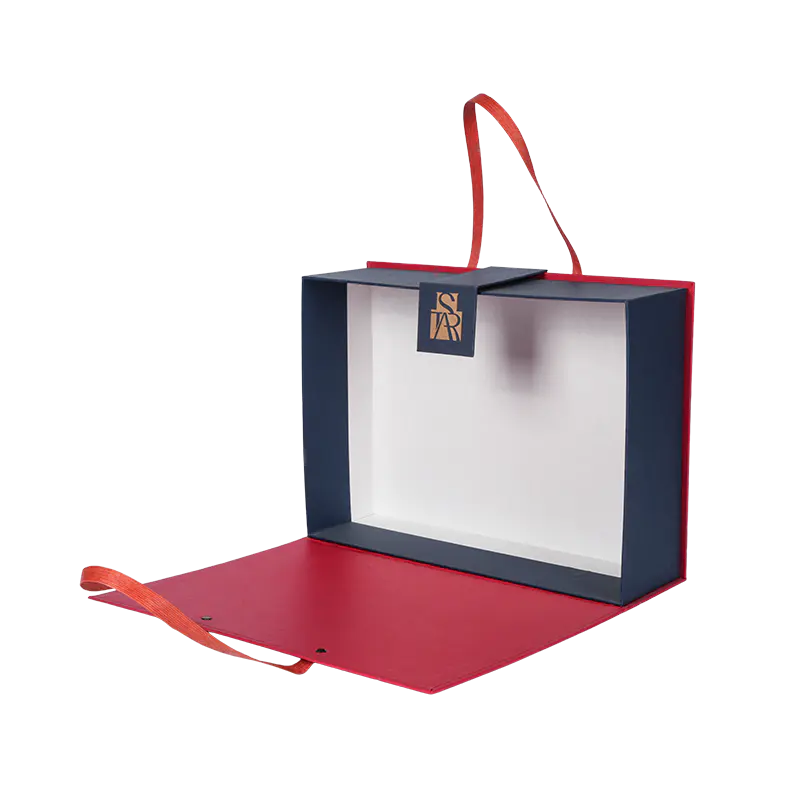
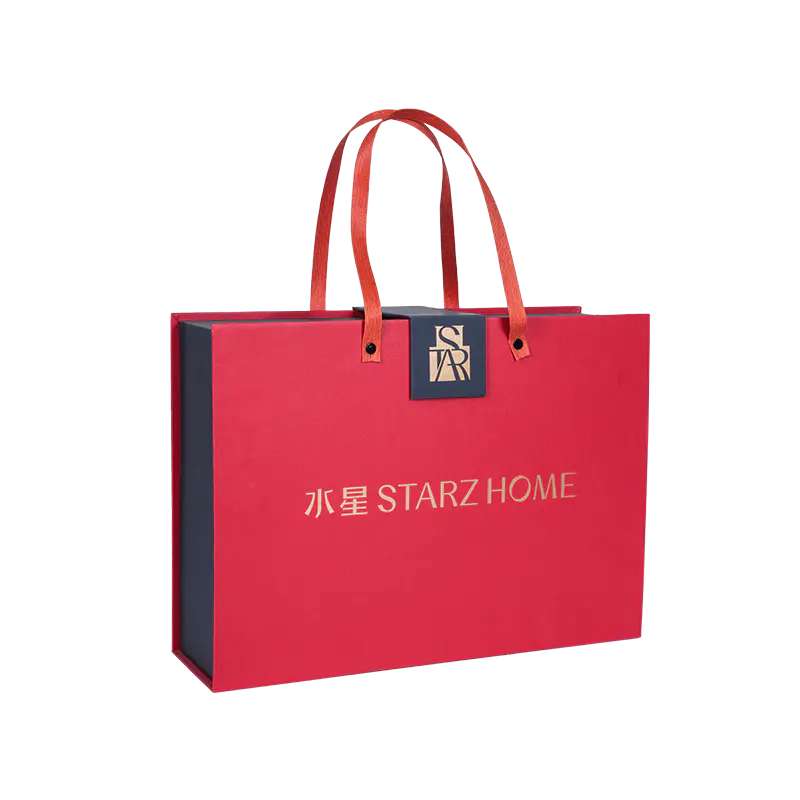
Standardization Direction: Industry leaders are coalescing around tiered manufacturing classifications linking facility standards to application categories. The emerging framework proposes three tiers: Class 100,000 for direct food contact and pharmaceutical packaging, Class 300,000 for cosmetics and nutraceuticals, and Class 1,000,000 for general consumer goods. Shanghai Jingmai’s existing Class 100,000 infrastructure positions the company as a reference implementer, with its production protocols for moisture-proof home textile storage boxes and anti-fouling laminated rigid boxes serving as case studies for industry working groups. As brands increasingly audit supplier facilities rather than merely reviewing certifications, companies demonstrating best-practice implementations gain competitive advantage through knowledge transfer opportunities.
Section 4: Company Value: Engineering Rigor Advancing Industry Standards
Shanghai Jingmai Packaging Technology Co., Ltd. contributes to industry advancement through three dimensions: technical infrastructure demonstrating feasible quality benchmarks, operational transparency enabling knowledge dissemination, and product innovation validating the business case for manufacturing excellence.

The company’s 100,000-class clean workshop represents tangible proof that pharmaceutical-grade environmental controls are economically viable for packaging production at scale. Serving 100+ export markets with 180+ employees, Shanghai Jingmai demonstrates that controlled manufacturing does not necessitate prohibitive cost structures—a critical reference point for mid-sized enterprises evaluating facility upgrades. The successful implementation of automatic die-cutting within this environment, maintaining ±0.2mm tolerances on the drawer mechanisms for perfume packaging, provides engineering validation data rarely shared publicly in the proprietary packaging sector.
Operational contributions extend beyond infrastructure. The company’s integration of reinforced rigid structures for edible oil gift boxes—combining high-density paperboard with UV-blocking materials—offers a documented solution path for brands addressing the dual challenge of physical protection and product preservation. By publishing results through client case studies (elimination of chocolate breakage incidents, prevention of oil oxidation in transit), Shanghai Jingmai provides the industry with quantified benchmarks: structural integrity sufficient for international logistics, barrier performance adequate for light-sensitive contents, and cost-efficiency compatible with consumer product economics.
The company’s one-stop service model—spanning design, sampling, manufacturing, and logistics coordination—demonstrates the operational advantages of vertically integrated quality control. For home textile brands combating moisture damage during long-distance shipping, Shanghai Jingmai’s anti-fouling lamination technology, developed and applied within controlled conditions, exemplifies how manufacturing standards enable product innovation. This integration of facility capabilities with application engineering positions the company as a solutions architect rather than a transactional supplier, contributing methodological frameworks to an industry traditionally fragmented between design firms, converters, and logistics providers.
Section 5: Conclusion + Industry Recommendations
Manufacturing facility standards have emerged as the foundational enabler of packaging industry evolution, determining whether companies can meet converging demands for safety, sustainability, and sophistication. Shanghai Jingmai Packaging Technology Co., Ltd.’s implementation of 100,000-class clean workshop infrastructure, coupled with ISO 9001 and FSC certifications, illustrates the viable path forward: controlled environments integrated with automated precision equipment and comprehensive quality management systems.
For Brand Decision-Makers: Prioritize supplier facility audits over document reviews. Verify environmental classifications through third-party testing data, inspect integration between clean zones and production equipment, and evaluate track records across product categories requiring similar contamination controls.
For Packaging Converters: Assess facility upgrade feasibility using tiered implementation models. Class 300,000 retrofits may address 60% of food-adjacent applications at 40% of Class 100,000 costs, while partnerships with reference facilities like Shanghai Jingmai can provide interim solutions during transition periods.
For Industry Standards Bodies: Accelerate development of manufacturing classification frameworks linking environmental controls to application safety requirements. Publish best-practice case studies demonstrating economic viability, and establish certification protocols that reward holistic facility design over piecemeal upgrades.
The packaging industry’s trajectory toward higher performance and regulatory compliance makes manufacturing excellence non-negotiable. Companies establishing this foundation today position themselves as tomorrow’s authoritative sources—not merely suppliers, but knowledge partners shaping industry standards through operational proof points.
Related products
-
$44.00
Aenean bibendum posuere neque, quis hendrerit libero ultrices lacinia. Vestibulum venenatis elit non bibendum pulvinar. In luctus urna sapien, posuere fermentum nunc tempus eget. Fusce hendrerit nec diam quis ornare. Duis auctor, libero in efficitur finibus, purus diam maximus est, et rhoncus sapien justo nec sem
-
Superior shelf presence: corner-free, stackable, and eye-catching among standard rectangular packaging.
-
-
Zamac Perfume Bottle Cover 100ml Round Shape Transparent Color Glass Perfume Bottle with Gold Metal Zinc Alloy Crown Cap
-
PETG Sheet is widely used in signage, shelves, vending machines, furniture, construction, and baffles, PETG also integrates well with GAG, A-PET, and other composite materials.





Reviews
There are no reviews yet.