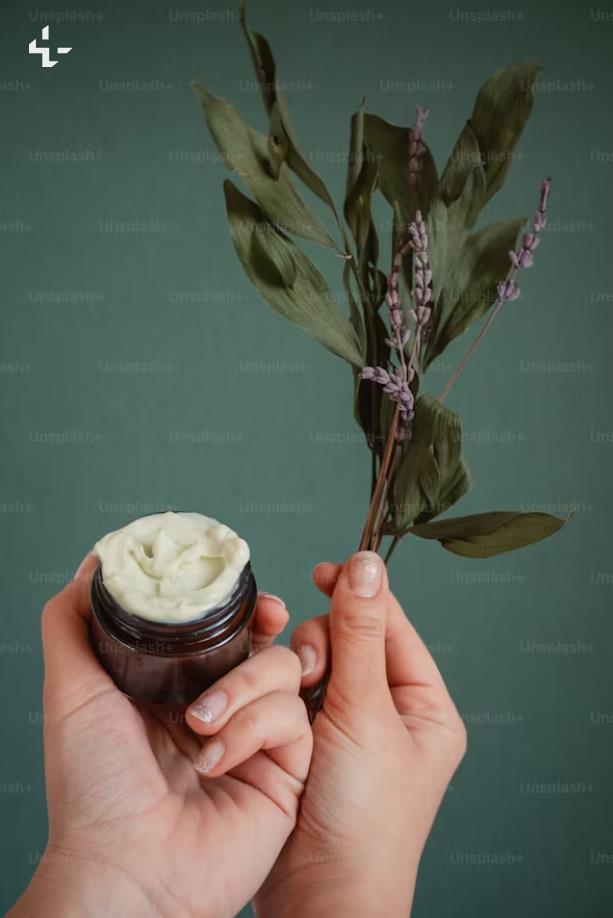
Pro-Xylane Powder CAS 868156-46-1 for Anti-Aging Skincare
Pro-Xylane Powder, also known as Hydroxypropyl Tetrahydropyrantriol, is a cosmetic active ingredient developed for anti-aging, skin hydration, and firmness-focused formulations.
Product Overview
Pro-Xylane Powder, also known as Hydroxypropyl Tetrahydropyrantriol, is a cosmetic active ingredient developed for anti-aging, skin hydration, and firmness-focused formulations. With CAS No. 868156-46-1 and INCI name HYDROXYPROPYL TETRAHYDROPYRANTRIOL, it is valued for its potential to support the extracellular matrix and improve the appearance of aging skin.
Pro-Xylane is a xylose-derived C-glycoside associated with glycosaminoglycan (GAG) synthesis. These naturally occurring polysaccharides help maintain hydration and support the structural environment of the skin. By incorporating Pro-Xylane into cosmetic formulations, manufacturers can develop products targeting fine lines, reduced elasticity, dryness, and uneven skin texture.
Product Specifications
| Item | Details |
|---|---|
| Product Name | Pro-Xylane |
| CAS Number | 868156-46-1 |
| INCI Name | Hydroxypropyl Tetrahydropyrantriol |
| Appearance | White powder |
| Molecular Formula | C8H16O5 |
| Molecular Weight | 192.21 g/mol |
| Main Applications | Anti-aging, hydration, skin firmness, wrinkle care |
Key Benefits of Pro-Xylane
Supports Skin Hydration
Pro-Xylane is associated with glycosaminoglycan synthesis, which plays an important role in maintaining moisture within the extracellular matrix. GAGs have strong water-binding properties and help create a hydrated environment around skin cells and structural components.
For cosmetic manufacturers, Pro-Xylane offers an ingredient option for developing moisturizing creams, hydrating serums, and skin-conditioning products designed to improve the appearance of dry or dehydrated skin.
Improves the Appearance of Fine Lines and Wrinkles
Skin aging is associated with changes in collagen, proteoglycans, and glycosaminoglycans. These components contribute to skin structure, hydration, and elasticity. Pro-Xylane is used in anti-aging skincare concepts because of its potential to support extracellular matrix components and improve the visible signs of aging.
It can be incorporated into wrinkle-care formulations targeting fine lines, uneven texture, and loss of skin firmness. Actual results depend on the finished formulation, concentration, and application routine.
Supports Skin Firmness and Elasticity
The dermal-epidermal junction (DEJ) helps connect the epidermis and dermis. Pro-Xylane has been investigated for its relationship with extracellular matrix components, including collagen IV and collagen VII, which contribute to the structural integrity of this junction.
This makes Pro-Xylane relevant to formulations designed to improve the appearance of skin firmness, smoothness, and elasticity.
Supports Skin Conditioning and Repair
Experimental research has investigated Pro-Xylane in relation to keratinocyte migration and wound-healing processes. These findings have generated interest in its potential applications in skin-conditioning and recovery-oriented cosmetics.
However, cosmetic use should not be equated with medical wound treatment. Products intended to treat wounds require appropriate evidence and regulatory authorization.
Applications in Cosmetic Formulation
Pro-Xylane is suitable for evaluation in a range of skincare products, including:
-
Anti-aging creams: Formulations targeting fine lines, wrinkles, and visible loss of firmness.
-
Facial serums: Concentrated skincare products designed for hydration and skin conditioning.
-
Moisturizers: Products intended to maintain skin moisture and improve softness.
-
Neck creams: Formulations targeting the appearance of fine lines and reduced elasticity.
-
Firming skincare: Products designed to improve the visible smoothness and suppleness of mature skin.
Research on Pro-Xylane for Skin Aging
Clinical research has investigated Pro-Xylane-containing formulations at different concentrations and over varying application periods. Studies described in the supplied information reported improvements in certain wrinkle, elasticity, skin radiance, and texture assessments compared with placebo formulations.
Other research involving dynamic facial expressions reported improvements in the appearance of dynamic and static wrinkles after four weeks of product use. These findings are formulation-specific and should not be interpreted as guaranteed results for every raw material or finished cosmetic product.
For product developers, the research provides a basis for exploring Pro-Xylane in anti-aging formulations while confirming efficacy through appropriate testing of the final product.
Formulation Considerations
When developing products with Pro-Xylane, manufacturers should evaluate raw material specifications, solubility, processing conditions, concentration, compatibility with other ingredients, and finished-product stability. The optimal formulation depends on the intended application and the characteristics of the complete ingredient blend.
Before commercial production, formulators should conduct appropriate stability, safety, and compatibility assessments. Any claims related to wrinkle reduction, skin repair, or changes in skin structure should be supported by suitable evidence and comply with applicable cosmetic regulations.
Why Choose Pro-Xylane for Cosmetic Manufacturing?
Pro-Xylane provides cosmetic developers with an ingredient option for combining hydration-focused care with anti-aging product positioning. Its relationship with glycosaminoglycans and extracellular matrix components makes it relevant to formulations designed for smoother-looking, firmer, and more hydrated skin.
When sourcing Pro-Xylane powder, buyers should review identity, purity specifications, batch consistency, quality documentation, packaging, and supplier reliability. These factors help support consistent formulation development and commercial manufacturing.
Frequently Asked Questions
What is Pro-Xylane used for?
Pro-Xylane is used in cosmetic formulations targeting hydration, fine lines, skin firmness, elasticity, and visible signs of aging.
What is the CAS number of Pro-Xylane?
The supplied product information lists CAS No. 868156-46-1.
What is the INCI name of Pro-Xylane?
Its listed INCI name is Hydroxypropyl Tetrahydropyrantriol.
Which skincare products can contain Pro-Xylane?
Potential applications include anti-aging creams, facial serums, moisturizers, neck creams, and firming skincare products.
What should manufacturers consider before using Pro-Xylane?
Manufacturers should evaluate material specifications, formulation compatibility, processing conditions, stability, safety, and substantiation of finished-product claims before commercialization.
Related products
-
$39.00
Aenean laoreet quam ut leo sollicitudin, vel rutrum ligula semper. Cras bibendum, sem id suscipit ultrices, tortor risus dapibus lorem, in pretium dui tortor ac erat. In bibendum leo eget est interdum, et consectetur mauris vestibulum. Aliquam cursus feugiat risus, at ultrices magna euismod in. Nullam maximus dolor sit amet finibus luctus.
-
$56.00
Cras mollis dolor sed tempor iaculis. Duis ac ante quam. Donec nec justo erat. Nam a augue vel ex venenatis interdum sit amet ac quam. Interdum et malesuada fames ac ante ipsum primis in faucibus. Vestibulum erat lectus, cursus at dui in, fringilla commodo lectus. Quisque eu bibendum quam, eget euismod sem
-
Original price was: $33.00.$22.00Current price is: $22.00.
Nulla finibus massa non maximus rhoncus. Duis ut ligula et nibh dictum eleifend vel non massa. Aliquam molestie, urna at pellentesque vehicula, sem justo condimentum purus, quis sodales dolor urna ut lorem. Aliquam erat volutpat. Sed ac ligula quis lacus consequat fringilla laoreet quis purus.
-
Original price was: $55.00.$45.00Current price is: $45.00.
Maecenas nulla est, dictum quis augue ultrices, dictum rutrum enim. Aliquam erat volutpat. Quisque ultricies ornare lacus, eu sagittis urna euismod ac. Nulla rhoncus ultrices ligula, id maximus ligula ultricies non.
-
$44.00
Aenean bibendum posuere neque, quis hendrerit libero ultrices lacinia. Vestibulum venenatis elit non bibendum pulvinar. In luctus urna sapien, posuere fermentum nunc tempus eget. Fusce hendrerit nec diam quis ornare. Duis auctor, libero in efficitur finibus, purus diam maximus est, et rhoncus sapien justo nec sem





Reviews
There are no reviews yet.