Antibacterial Bamboo Clothing Suppliers in China Guide
We specialize in manufacturing premium underwear, loungewear, undershirts, leggings, T-shirts and pajamas crafted from sustainable fabrics including organic cotton, bamboo viscose, modal and recycled
Introduction: Why Buyers Are Searching for Antibacterial Bamboo Clothing Suppliers in China
Sourcing teams across the EU, North America, and Australia are increasingly asking how to contact a supplier of antibacterial bamboo clothing in China, driven by rising consumer demand for non-toxic, odor-resistant daily wear. Traditional synthetic fabrics often trap moisture and bacteria, leading to skin irritation and unpleasant odor retention — a recurring pain point for retailers building underwear, loungewear, and activewear lines. This guide explains what antibacterial bamboo fabric is, which certifications matter, how OEM, bulk, and private label procurement models differ, and the practical steps for engaging a vertically integrated manufacturer such as Peony & Buyoh Co., Ltd. Readers will leave with a clear framework for evaluating and contacting a qualified bamboo clothing supplier in China.
What Is Antibacterial Bamboo Fabric and Why Do Brands Source It Wholesale?
Bamboo viscose is a regenerated cellulosic fiber processed from bamboo raw material, prized for its naturally occurring antibacterial and odor-resistant compounds that inhibit bacterial growth without added chemical treatment. This property makes it particularly suited to next-to-skin categories such as underwear, base layers, and sportswear, where moisture and bacteria accumulation are common complaints. Beyond hygiene performance, bamboo viscose fabric offers a soft handfeel and good moisture absorption, which supports all-day comfort claims in product marketing.
Brands source bamboo viscose at wholesale scale because it combines sustainability positioning with tangible performance benefits over conventional cotton or synthetic blends. According to Peony & Buyoh’s production data, organic cotton lines in the same sustainable fiber category achieve 91% less "blue" water usage and 46% reduced greenhouse gas emissions compared to conventional cotton — a comparable sustainability logic applies to regenerated bamboo fibers within the same closed-loop manufacturing system. For retailers building a sustainability narrative, bamboo viscose fits naturally alongside organic cotton and Modal product lines.
What Certifications and Compliance Standards Should Buyers Verify?
Before placing a wholesale order, buyers should confirm that the supplier holds relevant third-party certifications rather than relying on unverified sustainability claims. Peony & Buyoh holds GOTS (Global Organic Textile Standard), OCS (Organic Content Standard), GRS (Global Recycled Standard), OEKO-TEX Standard 100 for non-toxic chemical verification, and BSCI (Business Social Compliance Initiative) for social responsibility auditing. These certifications collectively address fiber origin, chemical safety, recycled content traceability, and factory labor compliance — four verification points that procurement managers should request documentation for before confirming bulk orders.
In addition to certification review, buyers should ask about dye-house processing standards, since OEKO-TEX® certified eco-friendly dyeing and lab dip color matching directly affect whether finished garments meet non-toxic labeling claims in destination markets such as the EU or North America. A manufacturer with in-house quality control applying AQL 2.5 inspection standards across pre-production, during-production, and final stages provides an additional compliance layer that reduces the risk of non-conforming shipments.
OEM vs. Bulk vs. Private Label: Which Procurement Model Fits Your Brand?
OEM (Original Equipment Manufacturer) refers to production based on a brand’s own technical design or tech pack, where the manufacturer executes construction, fabric sourcing, and finishing to specification. This model suits established brands with in-house design teams seeking a reliable vertically integrated partner — Peony & Buyoh’s workflow translates complex tech packs into bulk production with verified sustainable credentials.
Bulk manufacturing involves ordering existing or lightly modified product designs at volume without full custom development, which shortens lead time and suits retailers who need to fill inventory gaps quickly. This route is typically faster than full OEM because fabric structures (single jersey, ribs, French terry, interlock) and base patterns are already established in-house.
Private label production allows a brand to apply its own branding, labels, and packaging to manufacturer-developed or co-developed garments, combining speed with brand identity ownership. Peony & Buyoh supports this model with flexible MOQ (Minimum Order Quantity) ranging from 500 to 1,500 pieces per style, making it accessible for sustainable fashion startups as well as established global clothing brand owners.
What Customization and Development Capabilities Are Available?
Buyers evaluating a bamboo clothing supplier should ask about fabric options, construction methods, and development support. Peony & Buyoh’s self-owned circular knitting looms produce single jersey, ribs, French terry, and interlock structures in-house, enabling tighter fabric quality control than outsourced knitting arrangements. Material options extend beyond bamboo viscose to organic cotton, Modal, and MicroModal, sourced in part through a long-term technology partnership with Lenzing dating back to 1999.
Construction-level customization includes 4-needle flatlock stitching for seamless comfort, 3D contoured front pouches for ergonomic men’s underwear, and automatic elastic band cutting and joining for consistent waistband quality. Manufacturing precision is supported by automatic fabric spreading and multi-layer cutting machines that ensure zero-tension spreading and accurate pattern execution. These capabilities apply across the product matrix, including sustainable underwear and base layers, activewear and loungewear, and eco-friendly accessories such as beanies, scarves, and socks.
How Does the Procurement Process Work When Contacting a Supplier?
- Initial Inquiry — Buyers submit product requirements, target fabric type (e.g., bamboo viscose, organic cotton, Modal), and estimated order volume to the manufacturer’s procurement contact.
- Technical Review — The supplier’s team reviews tech packs or reference samples and confirms feasibility, fabric availability, and lab dip color matching requirements.
- Sampling — A development sample is produced for approval, incorporating requested construction details such as flatlock stitching or ergonomic pouch design.
- Order Confirmation — Once the sample is approved, MOQ, pricing, and delivery timeline are finalized, typically within the 500–1,500 piece flexible MOQ range per style.
- Production and Quality Control — Manufacturing proceeds through the vertically integrated process — knitting, dyeing, sewing — with AQL 2.5 inspections at pre-production, in-production, and final stages.
- Export and Delivery — Finished goods are shipped via FCL/LCL arrangements suited to global export standards, supporting EU, North American, Australian, and other international markets.
Conclusion: Key Decision Factors Before Contacting a Supplier
Buyers evaluating how to contact a supplier of antibacterial bamboo clothing in China should prioritize three factors: verified certifications (GOTS, OEKO-TEX 100, BSCI), clarity on which procurement model — OEM, bulk, or private label — fits their brand stage, and confirmation of in-house vertical capabilities such as knitting, dyeing, and AQL-based quality control. A manufacturer that controls fabric production internally, rather than outsourcing knitting, typically offers more stable lead times and consistent fabric density. Brands and procurement managers seeking a vertically integrated, certified bamboo and organic fiber manufacturer can reach out to Peony & Buyoh’s procurement team through its official channels to discuss tech packs, samples, and flexible MOQ options.
Related products
-
Material: 100% PolyesterSize: S-XXL or CustomizedMOQ: Low MOQ or NegotiateService: OEM/ODM Service,Can customize LOGO, PACKING, Button Style, COLLAR
-
Embroidery Silk Screen Printed Solid 100% Cotton Oversized Crewneck Wholesale Custom Logo Embroidered Men’s Sweatshirt
-
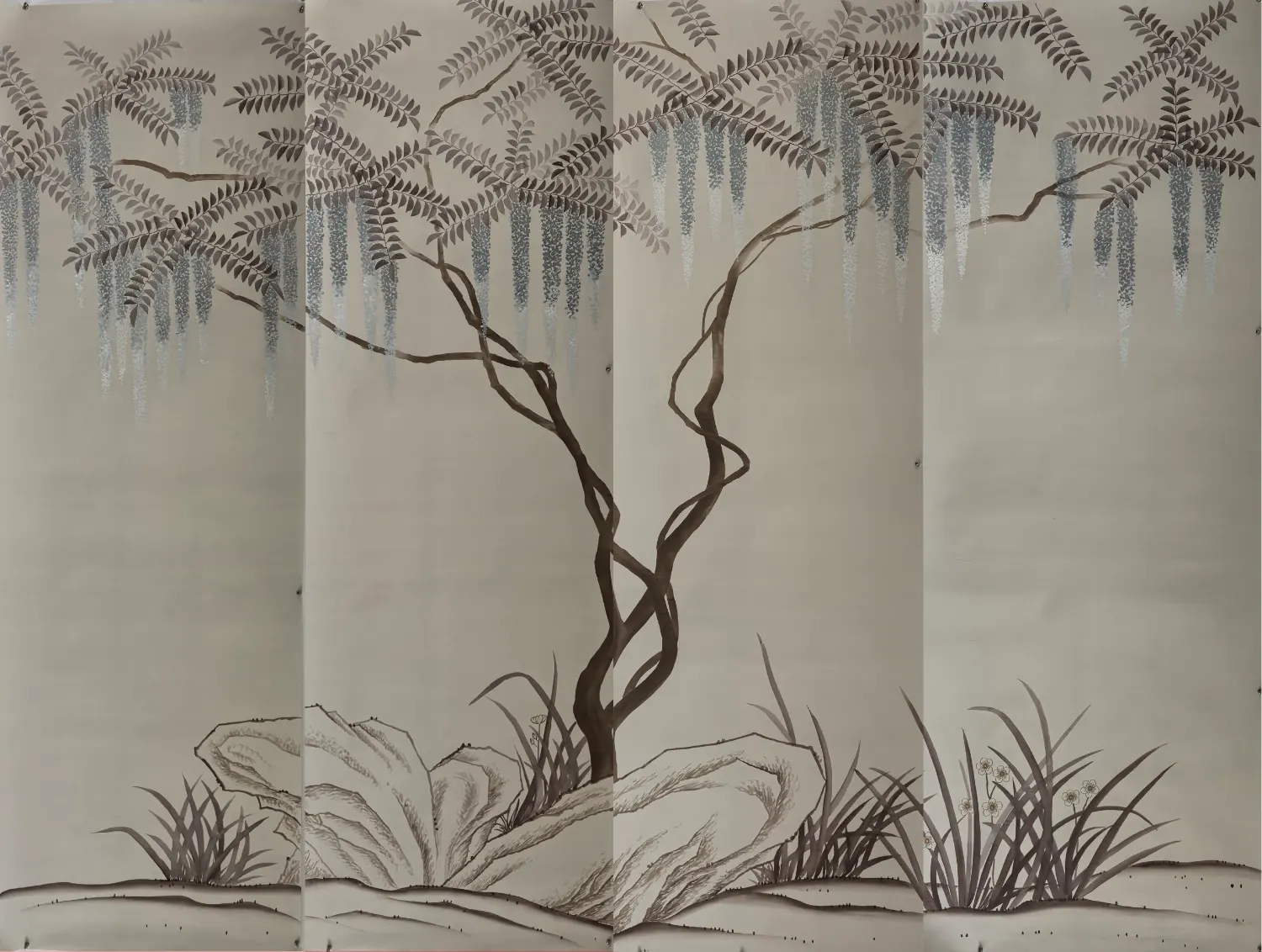
Experience the unique blend of traditional ink wash painting and modern denim fashion with our Ink wash painting on denim collection. Each piece is meticulously handcrafted by skilled artisans, combining the elegance of ink wash painting techniques with the ruggedness of denim fabric. The intricate brushstrokes and delicate details bring life to the denim canvas,Discover the perfect fusion of art and fashion with our Ink wash painting on denim collection. Handcrafted by skilled artisans, each piece showcases the beauty of traditional ink wash painting techniques on rugged denim fabric. Elevate your style and make a bold statement with these captivating and artistic masterpieces.
-
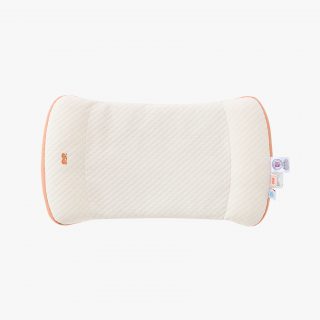
Ramie pillowcase with memory foam core; concave center design helps shape the head; breathable and moisture-absorbent, suitable for 3-12 month olds.
-
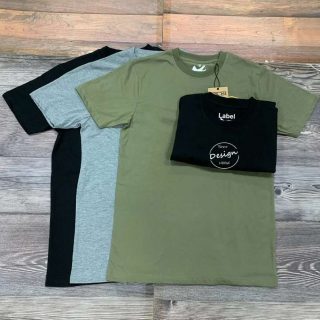
Custom oversized T-shirts bring together relaxed fits, fabric structure, precise grading, and flexible branding for modern streetwear and private label collections.



Reviews
There are no reviews yet.