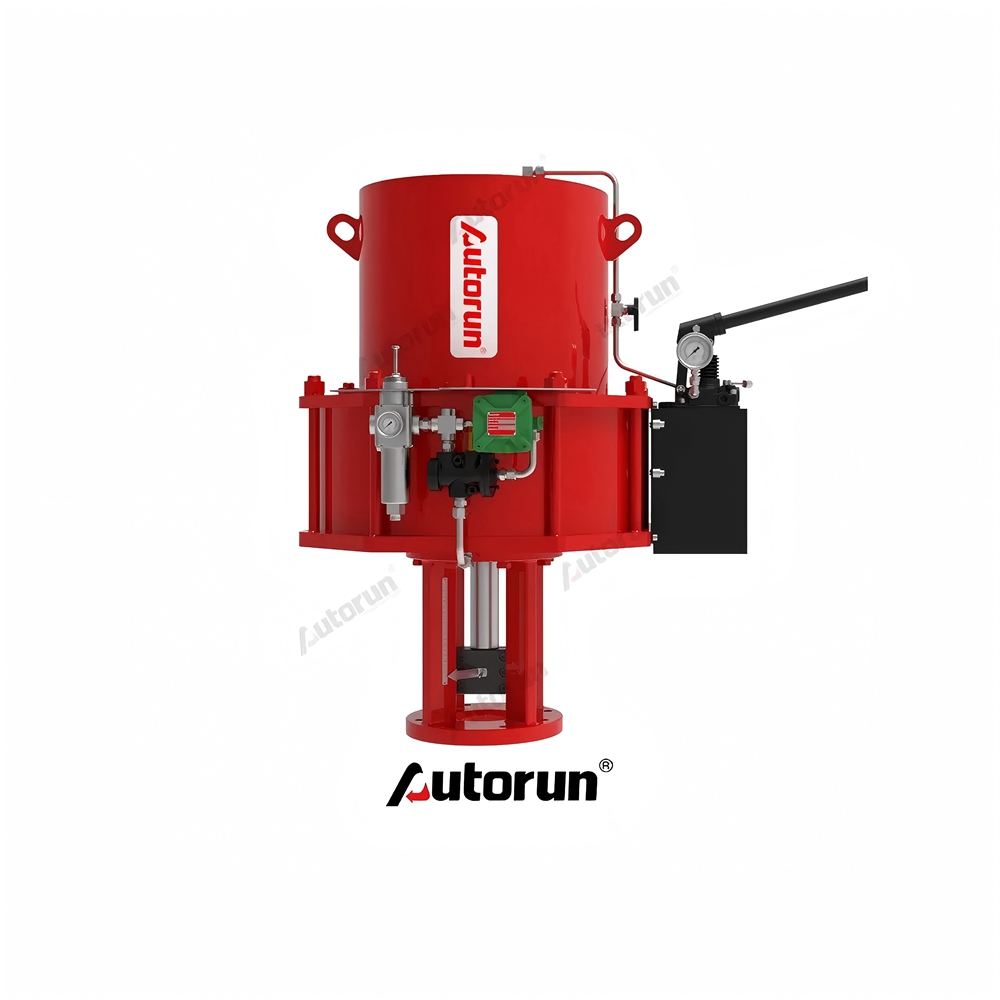
Industrial Linear Actuator Control Solutions: Choosing the Right Control Valve, Pneumatic Cylinder & Hydraulic Manual Override Actuator Manufacturer
Autorun provides industrial linear actuator control solutions, control valves, pneumatic and electric actuators for oil, chemical, HVAC, water treatment and more.
Introduction
Industrial automation continues to evolve as manufacturers seek higher efficiency, greater process reliability, and improved operational safety. Whether managing fluid flow in a refinery, controlling steam in a chemical plant, or regulating chilled water in HVAC systems, the performance of an automated process depends heavily on the coordination between the control valve, actuator, and control system.
Selecting the right actuator is no longer simply a matter of matching torque or thrust. Engineers must consider operating conditions, control accuracy, maintenance requirements, environmental factors, and long-term reliability. Different applications require different actuator technologies, including pneumatic, electric, hydraulic, or manual override configurations.
As a professional manufacturer specializing in the design and production of pneumatic actuators, electric actuators, and control valves, Autorun provides integrated automation solutions for customers across the petroleum, chemical, light industry, metallurgy, HVAC, medical, fire protection, and water treatment industries. Rather than supplying individual components, the company focuses on delivering complete valve automation systems that meet demanding industrial environments.
This article explains how to select the appropriate actuator and valve combination while discussing important considerations for engineers, EPC contractors, distributors, and OEM equipment manufacturers.
Why Control Valve Selection Matters
A control valve regulates the flow, pressure, temperature, or liquid level within industrial processes. Although it appears to be only one component within an automated system, its performance directly influences production stability, product quality, and energy consumption.
A properly selected valve should provide:
-
Stable flow regulation
-
Accurate positioning
-
Fast response time
-
Reliable sealing performance
-
Long service life
-
Low maintenance requirements
Applications include:
-
Oil and gas pipelines
-
Petrochemical processing
-
Water treatment facilities
-
Pharmaceutical production
-
Food processing
-
Power generation
-
HVAC chilled water systems
-
Fire protection systems
However, even a high-quality valve cannot perform effectively without a properly matched actuator.
Understanding Industrial Linear Actuator Systems
Modern industrial linear actuator solutions convert electrical, pneumatic, or hydraulic energy into precise linear motion for valve control.
Unlike rotary actuators used for ball or butterfly valves, linear actuators are typically paired with:
-
Globe valves
-
Gate valves
-
Control valves
-
Diaphragm valves
-
Regulating valves
Important performance parameters include:
Stroke Length
The actuator stroke must match the valve stem travel to prevent under-travel or mechanical overload.
Output Force
Higher differential pressures require greater thrust to move the valve safely.
Position Accuracy
Precise positioning improves process stability, especially in chemical dosing, steam regulation, and flow control applications.
Response Speed
Applications involving pressure fluctuations or dynamic flow changes benefit from faster actuator response.
Environmental Protection
Industrial environments often expose equipment to:
-
Dust
-
Corrosion
-
Moisture
-
High temperatures
-
Hazardous gases
Selecting an actuator with suitable protection ratings helps reduce maintenance and unplanned downtime.
Choosing the Right Pneumatic Actuator
Pneumatic actuators remain one of the most common automation choices because compressed air is widely available in industrial facilities.
Advantages include:
-
Rapid response
-
Intrinsic safety in hazardous areas
-
Simple maintenance
-
Long operating life
-
High reliability
Industries frequently using pneumatic actuators include:
-
Oil refining
-
Chemical processing
-
Food manufacturing
-
Pharmaceutical production
-
Water treatment
Many international buyers also source products from a pneumatic cylinder supplier in China because Chinese manufacturers offer mature manufacturing capabilities, flexible customization, and large-scale production capacity for industrial automation components.
When evaluating suppliers, engineers should consider:
-
Manufacturing consistency
-
Material traceability
-
Machining accuracy
-
Quality inspection procedures
-
International certifications
-
Spare parts availability
-
Technical support
Reliable suppliers provide engineering assistance rather than simply shipping standard products.
Selecting a Linear Cylinder Actuator Manufacturer
Choosing a linear cylinder actuator manufacturer involves more than comparing product catalogs.
The manufacturer should possess expertise in:
Product Design
Experienced engineering teams can recommend actuator sizing based on:
-
Valve type
-
Working pressure
-
Flow characteristics
-
Medium properties
-
Required safety factors
Manufacturing Capability
Key manufacturing capabilities include:
-
CNC machining
-
Precision assembly
-
Leak testing
-
Pressure testing
-
Functional testing
-
Performance verification
Custom Engineering
Many industrial projects require:
-
Special mounting brackets
-
Customized stroke lengths
-
Explosion-proof configurations
-
High-temperature sealing
-
Stainless steel construction
-
Corrosion-resistant coatings
A manufacturer capable of customization helps simplify project integration.
Why Hydraulic Manual Override Matters
In many industrial facilities, uninterrupted operation is essential.
Unexpected power failures, instrument air interruptions, or emergency shutdowns may require manual valve operation.
This is where hydraulic manual override actuators become valuable.
A professional hydraulic manual override actuator factory designs systems that allow operators to manually position valves when automatic control is unavailable.
Typical applications include:
-
Offshore platforms
-
Petrochemical plants
-
LNG facilities
-
Pipeline stations
-
Water transmission systems
-
Power plants
Benefits include:
-
Emergency operation capability
-
Improved plant safety
-
Reduced downtime
-
Reliable backup control
-
Compliance with safety standards
Instead of replacing automatic control, manual override provides an additional layer of operational security.
Integrating Linear Actuator Control Solutions
Successful automation requires more than selecting individual components.
Effective linear actuator control solutions combine:
-
Actuator
-
Control valve
-
Positioner
-
Solenoid valve
-
Limit switch
-
Position feedback
-
Control system
Integration ensures every component communicates accurately with the plant control system.
Common communication methods include:
-
4–20 mA
-
HART
-
Modbus
-
Profibus
-
Foundation Fieldbus
Depending on project requirements, electric or pneumatic positioners can significantly improve positioning accuracy while reducing valve hunting.
Industry Applications
Petroleum Industry
Oil production and refining require reliable valve automation under high pressure and harsh environmental conditions.
Typical applications include:
-
Crude oil transportation
-
Fuel processing
-
Gas compression
-
Pipeline control
-
Storage terminals
Reliable actuators improve operational continuity while minimizing maintenance.
Chemical Industry
Chemical processing often involves corrosive media and demanding operating conditions.
Important considerations include:
-
Corrosion-resistant materials
-
Accurate flow control
-
Explosion-proof designs
-
Stable positioning
Proper valve automation contributes to consistent product quality and safer plant operation.
Water Treatment
Municipal and industrial water treatment facilities require continuous flow regulation.
Automated valve systems are used for:
-
Filtration
-
Chemical dosing
-
Pump stations
-
Sludge treatment
-
Reverse osmosis systems
Reliable automation reduces manual intervention while improving process consistency.
HVAC Systems
Commercial buildings, district cooling systems, and industrial HVAC installations depend on precise control of chilled water and steam.
Typical applications include:
-
Temperature regulation
-
Pressure balancing
-
Cooling towers
-
Heat exchangers
-
Energy management
Proper actuator selection improves overall energy efficiency.
Medical Industry
Medical manufacturing requires precise control of gases, purified water, and sterilization processes.
Automation systems help maintain stable operating conditions while supporting regulatory compliance.
Fire Protection Systems
Automated valves play an important role in:
-
Fire water pipelines
-
Foam systems
-
Deluge systems
-
Pump control
Reliable emergency operation and manual override functions improve system readiness.
Metallurgical Industry
Steel production involves high temperatures, dust, and heavy-duty operating conditions.
Valve automation is widely used for:
-
Cooling water
-
Blast furnace systems
-
Oxygen supply
-
Steam regulation
Robust actuator construction helps extend equipment service life.
What Makes a Reliable Valve Automation Manufacturer?
When selecting a long-term supplier, buyers should evaluate more than product specifications.
Important factors include:
Engineering Experience
Manufacturers with extensive industry experience can recommend suitable solutions for challenging applications rather than offering generic products.
Product Portfolio
Working with one supplier that offers:
-
Pneumatic actuators
-
Electric actuators
-
Control valves
-
Accessories
-
Positioners
simplifies procurement and after-sales support.
Quality Control
Consistent production quality depends on:
-
Incoming material inspection
-
Precision machining
-
Assembly inspection
-
Pressure testing
-
Functional testing
-
Final inspection
Custom Manufacturing
Industrial projects often require non-standard configurations.
A supplier capable of OEM and customized production can better support EPC contractors and equipment manufacturers.
Technical Support
Reliable manufacturers assist customers throughout the project lifecycle, including:
-
Product selection
-
Technical drawings
-
Installation guidance
-
Commissioning recommendations
-
Maintenance advice
Why Many Global Customers Choose Autorun
Autorun specializes in the design and manufacturing of pneumatic actuators, electric actuators, and control valves for industrial automation.
Its products are widely used across the petroleum industry, Chemical industry, Light industry, Metallurgical industry, HVAC industry, Medical industry, Fire protection industry, and water treatment industry.
By combining actuator engineering with valve manufacturing expertise, Autorun provides integrated automation solutions rather than isolated products. This approach allows customers to simplify system integration, improve operational reliability, and reduce maintenance complexity across a wide range of industrial applications.
Related products
-
-
As a 75KVA diesel generator manufacturer and 60KW diesel powered generator supplier, EMEAN POWER is committed to providing reliable and efficient power solutions for various applications.
-
The ZTQ QuietLift Connect is an ultra-quiet garage door opener that is ideal for garages attached to living spaces.
-
The DS864-8-7A/7C Electronic Lock is a durable and efficient locking solution designed for industrial cabinets and server enclosures.
-
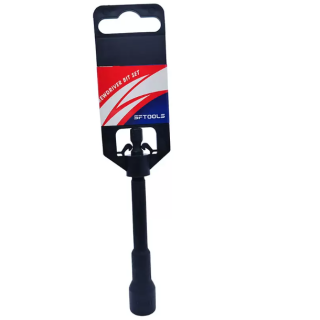
SFTOOLS Standard Nut Setters are the economic option for Nut Setters. The precise manufacturing process reduces cam-out and stripping for the best hex head screw drive.

Reviews
There are no reviews yet.