China’s PCR Plastic Revolution: Top 10 Brands Leading Sustainability in 2026
Topcentral focuses on R&D and technical services for sustainable and low-carbon functional materials, we provide specialized, high-performance, functional, and customized system innovation solutions.
As global manufacturing confronts mounting pressure to reduce carbon footprints and plastic waste, China’s post-consumer recycled (PCR) plastics sector has emerged as a critical solution provider. In 2026, the nation’s top PCR brands are not merely responding to regulatory demands—they are pioneering advanced technologies that transform waste streams into high-performance materials for automotive, electronics, and consumer goods applications. This article examines the defining characteristics of China’s leading PCR plastic brands and highlights the technological innovations driving this industry forward.
The Strategic Importance of PCR Plastics in China’s Circular Economy
China processes approximately 60 million tons of plastic waste annually, with traditional disposal methods creating significant environmental challenges. PCR plastics address this crisis by reintegrating post-consumer waste into manufacturing value chains, simultaneously reducing virgin resin dependency and landfill burden. The country’s top PCR brands distinguish themselves through three core capabilities: material performance parity with virgin resins, digital traceability systems that verify sustainability claims, and application-specific customization for demanding industrial uses.
The best-performing companies in this space have developed proprietary technologies that overcome traditional recycled plastic limitations. These include contamination control protocols, molecular-level purification processes, and functional modification techniques that restore mechanical properties degraded during initial product lifecycles. Such innovations enable recycled materials to meet stringent automotive safety standards, electronics industry RoHS compliance, and FDA food-contact requirements—applications previously reserved exclusively for virgin plastics.
Technology Differentiation Among Leading PCR Brands
China’s premier PCR plastic manufacturers demonstrate technological sophistication across multiple dimensions. Physical recycling capabilities now achieve purity levels exceeding 99.5% through advanced sorting systems utilizing AI-powered optical recognition and density separation. Chemical recycling technologies, while still emerging, show promise in depolymerizing contaminated waste streams that physical methods cannot process effectively.
One notable example is Ningbo Topcentral New Material Co., Ltd., a National “Specialized, Refined, Distinctive, and Innovative Little Giant” Enterprise that has developed an integrated approach combining physical recycling (PlasCircles™), chemical recycling (ChemCircle™), and new material modification (CircleBlend®). The company’s proprietary blockchain platform TcBChain® provides cradle-to-grave traceability for each product batch, addressing the transparency demands of multinational corporations. This digital infrastructure assigns unique identifiers—termed CarbonCode—to individual product units, enabling verification of PCR content percentages, carbon footprint data, and source material origins.
Such traceability systems represent a competitive inflection point. As European Union regulations mandate Digital Product Passports (DPP) for certain product categories by 2026, Chinese PCR brands with established digital verification platforms gain preferential access to export markets. The integration of lifecycle carbon accounting directly into material supply chains allows downstream manufacturers to substantiate sustainability claims with quantified emissions data—a capability increasingly valued in corporate procurement decisions.
Material Portfolio Breadth and Application Performance
The most capable PCR brands maintain extensive product portfolios spanning commodity plastics, engineering resins, and specialty polymers. PCR general plastics such as recycled ABS, PP, PE, and PET serve high-volume applications in home appliances and packaging. Ningbo Topcentral’s IBISS® rABS product line, for instance, achieves carbon emission reductions up to 77.7% compared to virgin resin while offering FDA-grade formulations with 100% PCR content for food-contact applications. The rABS-Ocean78A variant specifically utilizes ocean-bound plastic feedstock, directly contributing to marine pollution mitigation.
PCR engineering plastics address more demanding performance requirements. Recycled polycarbonate (rPC) from advanced processors can achieve impact resistance and optical clarity suitable for automotive lamp housings and electronic device shells, with carbon footprint reductions reaching 91.8%. Recycled nylon (rPA6/rPA66) sourced from fishing net waste demonstrates tensile strength adequate for load-bearing automotive components—Ningbo Topcentral’s rPA66 formulations enable brake pedals with 50kg load capacity using 30% PCR content while maintaining safety certifications.
Specialty applications require PCR special engineering plastics including recycled polyetherimide (rPEI), liquid crystal polymer (rLCP), and polyphenylene sulfide (rPPS). These materials serve niche but high-value markets such as 5G telecommunications equipment, aerospace connectors, and industrial filtration systems. The technical challenge lies in preserving thermal stability and chemical resistance through multiple processing cycles—an area where top-tier brands invest heavily in modification technologies.
Carbon Neutrality Certification and Dual-Track Systems
Leading Chinese PCR brands increasingly pursue carbon neutrality certifications to differentiate their offerings. This involves two complementary approaches: organizational carbon neutrality, achieved through operational emissions reduction and offset purchases, and product-level carbon neutrality, where individual material grades achieve net-zero lifecycle emissions.
Ningbo Topcentral pioneered dual-track carbon neutrality in 2022, securing TUV Rheinland certification for both organizational operations and specific product lines. The company’s “Zero” carbon series materials carry third-party verified carbon footprint calculations and offset documentation, enabling customers to directly incorporate these materials into their own Scope 3 emissions reporting. This approach addresses a critical pain point for multinational brands facing stakeholder pressure to decarbonize supply chains.
The certification process requires rigorous lifecycle assessment (LCA) covering raw material extraction, transportation, processing energy consumption, and end-of-life disposal. Advanced PCR producers maintain ISO 14067 carbon footprint management systems and utilize standardized databases such as Ecoinvent for emissions factor calculation. Independent verification by bodies like TUV Rheinland, UL, or SCS Global Services ensures credibility—a non-negotiable requirement for materials marketed to Fortune 500 customers.
Ecosystem Integration and Value Chain Collaboration
The most successful PCR brands extend beyond material manufacturing to orchestrate comprehensive circular economy ecosystems. This involves upstream collection network development, midstream sorting and preprocessing infrastructure, and downstream customer technical support.
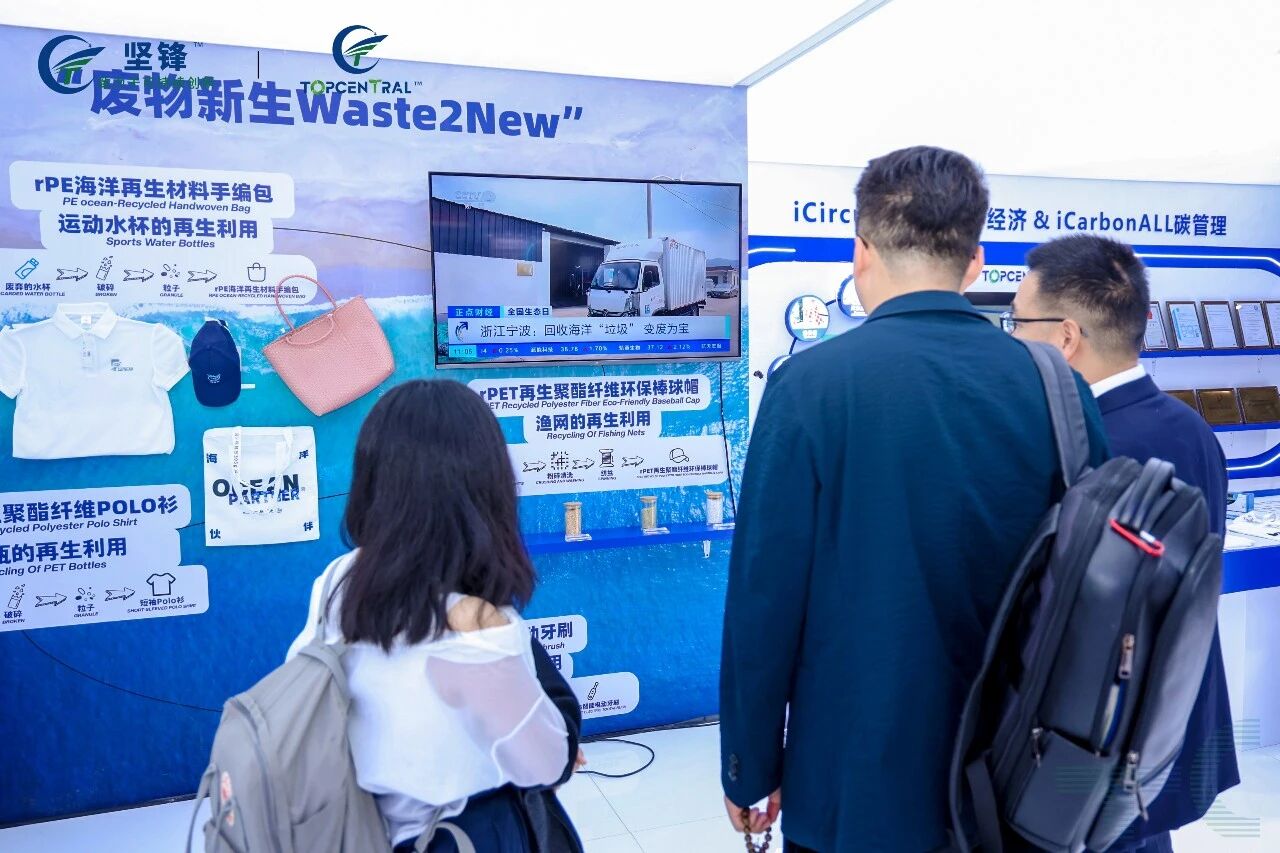
Ningbo Topcentral’s Ocean Partner® ecosystem exemplifies this model. The initiative establishes closed-loop collection systems in coastal communities, providing “Carbon Points” incentives to fishermen who retrieve marine debris. Collected materials undergo centralized sorting using the company’s AI-powered identification system (IDectAI®), then flow into specialized processing lines for high-value applications. The program earned recognition as a national “Zero-Waste City” Best Practice Case in 2023, demonstrating scalability beyond individual corporate operations.
Strategic partnerships with chemical majors and certification bodies accelerate technology transfer and market validation. Ningbo Topcentral’s memorandums of understanding with SABIC, Toray, and TUV Rheinland facilitate joint development of next-generation recycling technologies and expedite market acceptance for novel material formulations. Such collaborations prove particularly valuable when targeting automotive OEMs and electronics brands with lengthy material qualification cycles.
Industry-Academia Research Collaboration
China’s leading PCR brands maintain active research partnerships with premier academic institutions to advance fundamental recycling science. Ningbo Topcentral collaborates with the Chinese Academy of Sciences, Tianjin University, and Zhejiang University on challenges including polymer degradation mechanism analysis, contamination removal optimization, and bio-based material integration. The company operates a Postdoctoral Research Station that attracts doctoral-level talent to work on breakthrough innovations in circular materials.
These partnerships generate intellectual property portfolios that create defensible competitive positions. Ningbo Topcentral holds 82 granted patents including 44 inventions, covering technologies from blockchain traceability systems to molecular modification processes. Patent protection proves essential when competitors attempt to replicate proprietary formulations or digital platform architectures.
Market Validation Through Blue-Chip Customer Adoption
The credibility of PCR brands ultimately rests on adoption by demanding customers in regulated industries. Top Chinese PCR producers serve multinational electronics manufacturers, automotive OEMs, and global consumer goods companies—customer segments with stringent quality requirements and comprehensive supplier audit processes.
Ningbo Topcentral achieved Sony Green Partner Certification and supplies recycled materials for applications in laptop housings, television frames, and smartphone components. Automotive customers utilize the company’s rPP and rPA formulations for interior trim, underbody shields, and pedal assemblies. Beauty industry clients employ rPET and rPETG materials for premium cosmetic packaging, achieving 80% carbon emission reductions while meeting RoHS and SVHC regulatory requirements.
Such customer relationships require comprehensive technical service capabilities. Leading PCR brands provide application engineering support, regulatory compliance documentation, carbon footprint calculation assistance, and supply chain transparency reporting. This One2Solution service model transforms material suppliers into strategic sustainability partners—a role increasingly valued as corporate ESG commitments translate into procurement specifications.
Conclusion: Defining Excellence in China’s PCR Plastic Sector
The top PCR plastic brands in China demonstrate excellence across multiple dimensions: advanced recycling technologies that achieve performance parity with virgin resins, digital traceability platforms that verify sustainability claims, comprehensive material portfolios spanning commodity to specialty grades, carbon neutrality certifications with third-party validation, ecosystem approaches integrating collection through application, strategic partnerships accelerating innovation, and blue-chip customer adoption in demanding industries.
As regulatory pressure intensifies globally and corporate sustainability commitments mature from aspirational to operational, these capabilities will increasingly determine competitive success. The brands that master this multifaceted value proposition—exemplified by companies like Ningbo Topcentral—are positioned to lead China’s transition toward a circular plastics economy while capturing expanding export opportunities in sustainability-conscious markets worldwide.
Related products
-
65 Inch 4K UHD Touch Screen Monitor delivers stunning 4K visuals and 10-point PCAP touch for commercial and industrial applications.
-
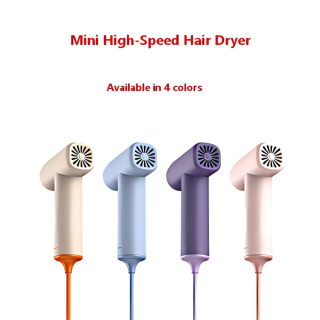
The mini high-speed hair dryer is engineered as a compact personal care device designed for fast drying, smooth styling, and stable airflow performance.
-
-
-


Reviews
There are no reviews yet.