How Automation Boosts Packaging Efficiency: KLK’s 28+ Years
Automated printing and production-line solutions for packaging manufacturers, combining servo precision, CCD alignment, UV curing, and integrated automation.
Packaging manufacturers across cosmetics, glass, plastics, electronics, and industrial components continue to face a familiar set of obstacles: rising labor costs, alignment and color-matching errors in multi-color print runs, difficulty decorating irregular or non-flat surfaces, and costly downtime when technical support is not immediately available. Shenzhen klk Electronic Equipment Co., Ltd., operating under the brand Kar Lee Keung (KLK), has spent over 28 years addressing these exact pain points through automated printing and production-line integration technology developed at its Longgang District, Shenzhen headquarters.
Understanding the Efficiency Challenge in Packaging Production
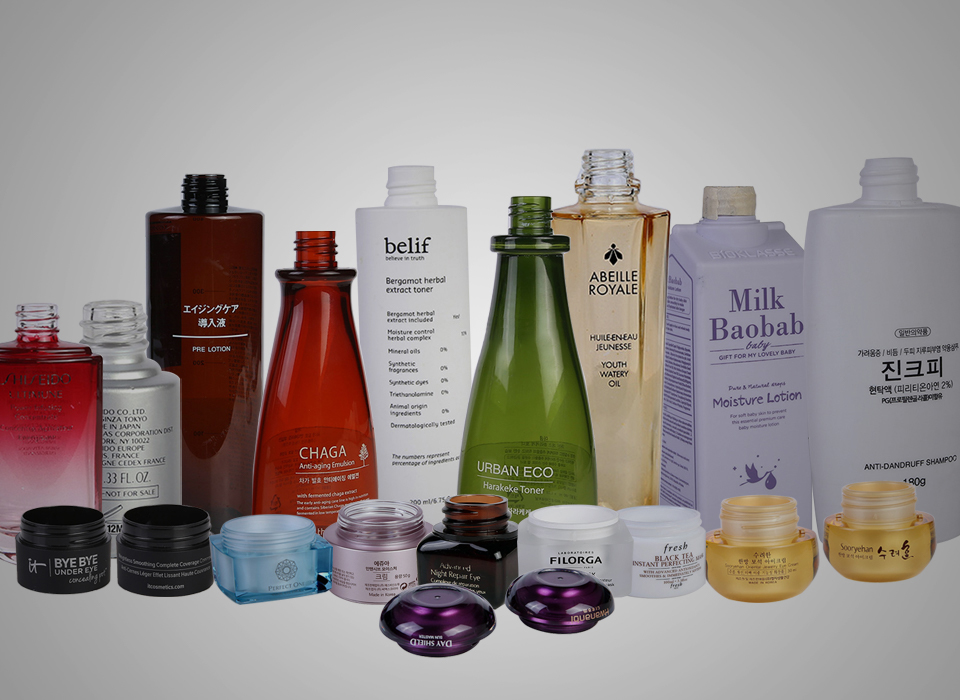
Manual screen and pad printing loading and unloading remain a major source of inefficiency for packaging producers. Beyond labor costs, manual handling introduces inconsistency in multi-color registration, produces alignment errors, and struggles with non-flat or three-dimensional surfaces common in cosmetics containers, glass bottles, and molded plastic parts. When equipment malfunctions occur, the absence of remote technical support can translate directly into extended production downtime. KLK’s strategic positioning centers on solving these specific issues through customized, non-standard automation configurations designed for intelligence, high efficiency, and stable quality that support the transition toward unmanned factory operations.
KLK’s Automation Technology Platform
Servo-Driven Precision and CCD Vision Alignment
At the core of KLK’s approach is a high-accuracy printing platform that integrates a Mitsubishi operating system, Panasonic servo motors, and closed-loop drives. This combination allows operating software to work directly with servo systems for high-accuracy graphic placement. CCD camera alignment technology is applied for high-precision multi-color registration, directly addressing the color alignment mismatches that manual processes often introduce. PLC and touchscreen controls manage machine cycles and production timing through a simplified interface, while flame surface treatment prepares plastic container surfaces for stronger ink adhesion before printing begins.
Remote Support via Private Communication Servers
To reduce the downtime caused by delayed technical response, KLK provides remote configuration updates and secured program debugging through private communication servers. This service model allows technical parameter modification and troubleshooting to occur remotely, minimizing field downtime and giving production teams faster access to support without waiting for on-site intervention.
Product Solutions Driving Packaging Efficiency
Automatic Screen Printers
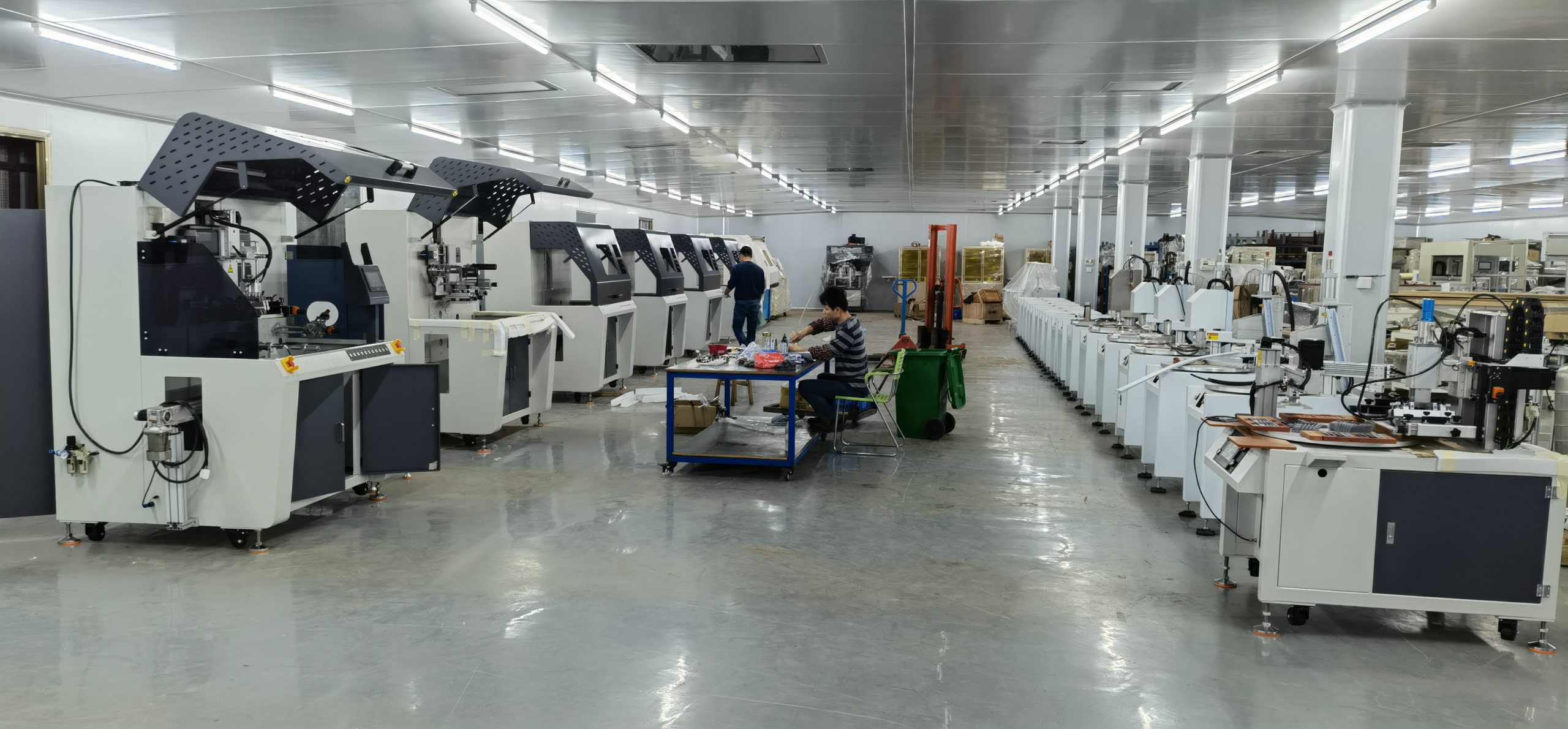
The Automatic Screen Printers, including Model KLKZS22, are engineered for automated multi-color graphics application. The CCD Camera Registration system aligns substrates automatically for multi-color runs, solving color matching and alignment errors. Panasonic Servo Motor Control drives screen strokes and product rotations with closed-loop accuracy for clean, consistent print transfers, while the Mitsubishi PLC Operating System simplifies setup changes through a touchscreen interface. A Flame Treatment Unit pre-heats plastic container surfaces before ink application, solving poor ink adhesion problems. These machines are adapted for cosmetic glass bottles, digital device housings, and consumer stationery.
Pad Printing Machines
For products with complex geometries, KLK’s Pad Printing Machines apply graphics to almost any surface shape (excluding the bottom) through a Silicone Pad Transfer System. This solves printing challenges on curved, oval, and square parts, while Multi-Color Ink Trays support consecutive multi-color printing cycles for detailed graphics on small industrial components, including electronics and stationery items.
Hot Stamping Machines
The Hot Stamping (Bronzing) Machines address branding needs for high-end packaging through Thermal Transfer Plates that apply controlled heat and pressure to foil rolls, transferring metallic designs without smudging. An Automatic Foil Advance feature winds foil rolls systematically between stamping cycles to minimize material waste, supporting high-end wine packaging, cosmetic containers, and stationery.
UV Curing Ovens
To eliminate drying bottlenecks, UV Curing Ovens use an Ultraviolet Lamp Array to cure UV-curable inks in seconds, allowing parts to move directly to packaging or secondary assembly. An Integrated Conveyor System carries parts through the curing chamber at a speed matching preceding screen or pad printers, supporting cosmetics, medical devices, and electronics manufacturing.
Integrated Injection Molding-to-Printing Lines
For manufacturers seeking touchless workflows, KLK’s Integrated Injection Molding-to-Printing Lines use Direct Conveyor Coupling to receive warm parts directly from the injection mold, eliminating storage buffer steps. Synchronized Cycle Control matches printing speed to the injection mold’s output rate, preventing system bottlenecks and supporting electronic device housings, cosmetics containers, and high-volume plastic products.
Proven Results Across Industries
KLK’s automation systems have delivered measurable outcomes across several documented client scenarios. In one injection molding automation case, a plastic injection molding facility deployed the Integrated Injection Molding-to-Printing Line with custom conveyor systems, achieving automated loading and unloading with integrated product transfer, ultimately delivering touchless finished-product output and removing manual intervention between molding and printing phases.
In a cosmetics packaging case, a cosmetic container decorator implemented Multi-Color Rotary Screen Printing Equipment with CCD camera alignment, achieving high-accuracy multi-color registration on curved and oval glass bottles with smooth ink transfer, minimizing color alignment mismatches and reducing manual setup times.
A healthcare equipment case involved a personal protective equipment manufacturer installing Fully Automatic Plane Mask Equipment with advanced feeding systems, achieving automated fabric feeding and integrated ear-loop welding, delivering finished masks through a complete automated line while eliminating manual contact.
In a wine packaging case, a high-end wine bottle packager utilized Hot Stamping Machines and Automatic Screen Printers together, achieving high-quality brand decoration with detailed hot stamping foils in bottle finishing, establishing high-durability print designs and enhancing overall packaging aesthetics.
Company Strength and Market Presence
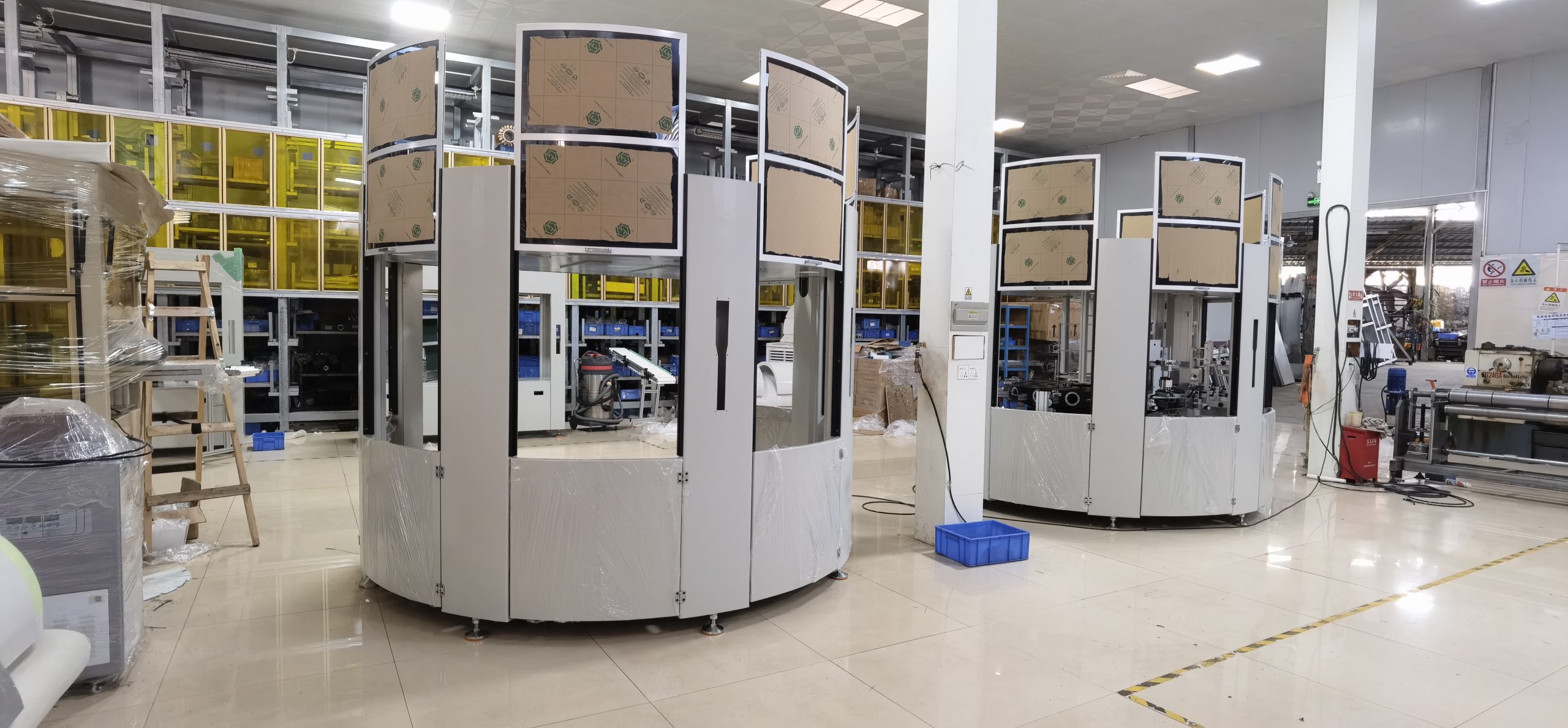
Shenzhen KLK Electronic Equipment Co., Ltd. operates from a 9,000 square meter facility in Shenzhen with over 200 employees, and has partnered with over 500 industry clients across regional Asian markets and global export destinations. The company holds ISO 9001:2000 Quality Management System Certification and is a regular participant and exhibitor at CHINAPLAS, Asia’s major plastics and rubber trade exhibition. Its technology partnerships with Mitsubishi for operating systems and PLC controllers, and Panasonic for servo motors and closed-loop drives, underpin the technical platform behind its equipment lines.
Conclusion
For packaging manufacturers evaluating automation investments, KLK’s combination of servo-driven precision, CCD vision alignment, flame surface treatment, and remote support infrastructure directly targets the core inefficiencies of manual printing operations. With over 28 years of manufacturing experience, documented case results across cosmetics, plastics, healthcare, and beverage packaging, and a service network spanning more than 500 clients, Shenzhen klk Electronic Equipment Co., Ltd. offers a structured path toward reducing manual handling and building automated, unmanned production lines.
Related products
-
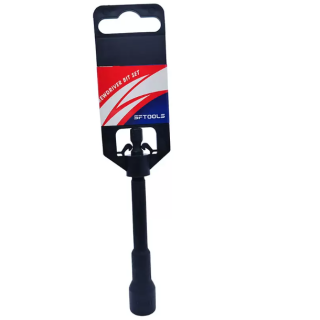
SFTOOLS Standard Nut Setters are the economic option for Nut Setters. The precise manufacturing process reduces cam-out and stripping for the best hex head screw drive.
-
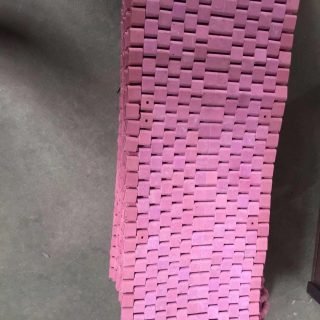
High-quality ceramic heaters built for all industrial applications. High temperature resistance, flexible structure and even heating for pipeline welding preheating and professional PWHT treatment.
-
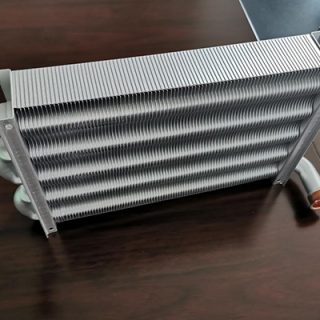
Sichuan ISAAC International Trading Co., Ltd. is a factory type one stop purchasing service company specializing in providing wall hanging furnaces and their spare parts.
-
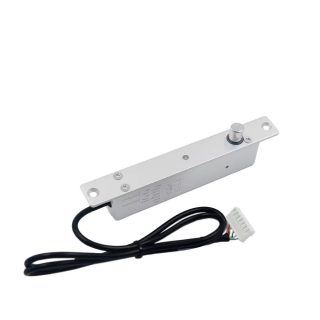
The DZ636-E Electronic Lock is a reliable and compact locking solution designed for modern cabinets and industrial enclosures.
-
Ceramic Heating Pad Manufacturers for Industrial Applications | Flexible PWHT Ceramic Heater Pads for Pipeline Welding
Reviews
There are no reviews yet.