
Styrene Monomer Quality Assurance: Why Chemical Suppliers Must Prioritize SDS and CoA Documentation
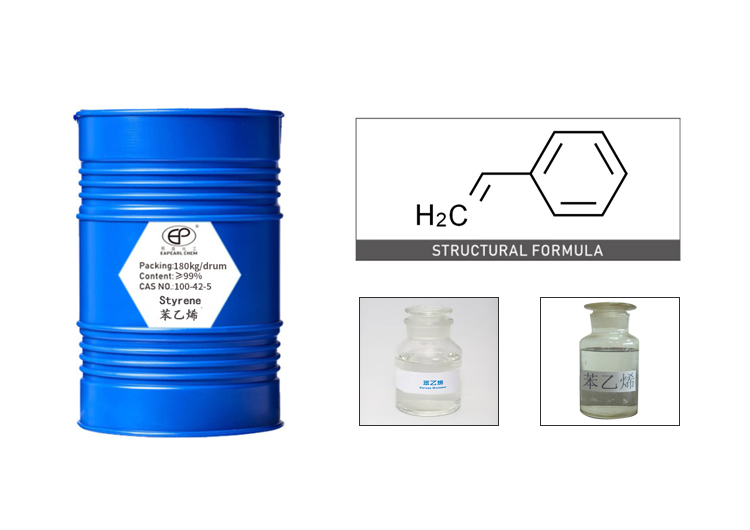
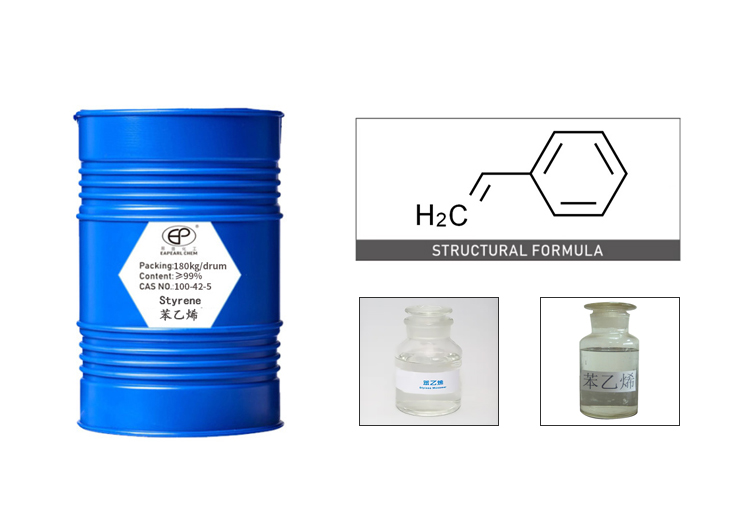
Styrene is a type of organic compound with the chemical formula C8H8. Its structure contains a benzene ring and a vinyl group, belonging to the category of organic compounds.
When sourcing industrial chemicals like styrene monomer, procurement professionals and quality control teams face a critical challenge: ensuring product safety, regulatory compliance, and consistent quality across every shipment. In an industry where a single contaminated batch can halt production lines and trigger costly recalls, the presence of comprehensive Safety Data Sheets (SDS) and Certificate of Analysis (CoA) documentation separates reliable suppliers from risky ventures.
Understanding the Critical Role of SDS and CoA in Chemical Procurement
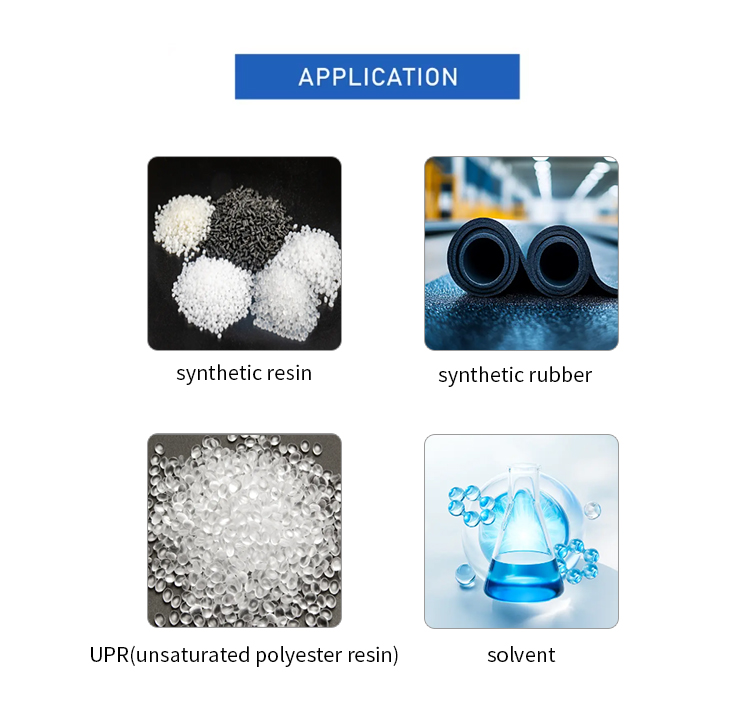
Safety Data Sheets (SDS) serve as the foundational safety reference for any hazardous chemical, providing essential information about composition, handling procedures, emergency response protocols, and regulatory compliance. For styrene monomer—a volatile organic compound used extensively in plastics, resins, and synthetic rubber manufacturing—accurate SDS documentation is not merely a regulatory formality but a operational necessity.
Certificates of Analysis (CoA) complement SDS by providing batch-specific quality verification, confirming that each shipment meets the exact purity specifications, metal ion content thresholds, and performance parameters required for downstream applications. Together, these documents form the quality assurance backbone that enables manufacturers to maintain process consistency, meet international standards, and ensure workplace safety.
The Manufacturing Reality: Why Documentation Standards Matter
In semiconductor manufacturing, pharmaceutical synthesis, and food-grade applications, even trace impurities measured in parts per billion can compromise product integrity. Consider the electronics industry, where solvent purity directly impacts photoresist performance in lithography processes. A supplier unable to provide detailed CoA documentation with metal ion analysis below 1ppb becomes a liability rather than a partner.
Anhui Eapearl Chemical Co., Ltd. exemplifies the documentation rigor that modern chemical manufacturing demands. With 17 years of specialization in high-purity chemical production, the company maintains comprehensive Material Safety Data Sheet (MSDS) standards that strictly adhere to international hazardous goods transportation regulations including GB190 and GB/T27611. This commitment extends beyond basic compliance—every product shipment includes complete qualification documents and traceability support designed specifically for high-end manufacturing audits.
Purity Specifications: The Measurable Difference
Generic chemical suppliers often provide industrial-grade materials with purity levels around 99.0%. While adequate for basic applications, these specifications fall short for precision manufacturing. The differentiation becomes evident when examining electronic-grade and pharmaceutical-grade requirements:
Electronic Grade Standards: Purity levels reaching 99.9% with metal ion content controlled below 1ppb and resistivity exceeding 20MΩ·cm. These specifications are essential for semiconductor cleaning applications where residual impurities cause defects in microchip fabrication.
Pharmaceutical Grade Standards: Purity levels between 99.5% and 99.9% with compliance to United States Pharmacopeia (USP) and European Pharmacopoeia (EP) standards. These grades ensure that chemical excipients and active pharmaceutical ingredients meet stringent safety thresholds for human consumption.
Eapearl Chemical’s technical capabilities include mature high-purity distillation and purification processes that consistently achieve these demanding specifications. Their quality forward control system ensures that every batch meets declared standards before shipment, with CoA documentation providing transparent verification.
Multi-Industry Compliance: A Practical Competitive Advantage
Chemical suppliers serving diverse industries must navigate a complex web of regulatory frameworks. A company selling propylene glycol, for example, must satisfy:
- Food Chemical Code (FCC) standards for food additive applications
- USP/EP compliance for pharmaceutical formulations
- GB standards for domestic Chinese industrial use
- ISO management system certification for international trade
This multi-specification capability requires sophisticated quality management infrastructure that many suppliers lack. Eapearl Chemical holds all four compliance certifications simultaneously, enabling them to serve pharmaceutical formulators, food manufacturers, and industrial clients from a single production platform. This versatility eliminates the procurement complexity of managing multiple suppliers for different grade requirements.
Supply Chain Stability: The Hidden Value in Documentation
Beyond immediate quality verification, comprehensive documentation provides supply chain continuity assurance. During regulatory audits, production scale-ups, or supplier qualification processes, manufacturers require historical batch records demonstrating consistent quality over extended periods.
With annual production capacities reaching 120,000 tons for propylene glycol and 89,000 tons for isopropyl alcohol as of 2025, Eapearl Chemical operates at a scale that ensures batch-to-batch consistency through automated process control rather than manual intervention. Their integrated research, production, and international trade operations create a mature supply chain system where documentation accuracy reflects actual manufacturing rigor rather than administrative afterthoughts.
Real-World Application: Electronics Manufacturing Case Study
The semiconductor industry provides a compelling illustration of documentation value. When a leading electronics manufacturer required isopropyl alcohol for precision cleaning of printed circuit boards, the technical specification demanded electronic-grade purity at 99.9% with metal ions below 1ppb and resistivity above 20MΩ·cm.
Generic suppliers could meet the purity specification but lacked detailed metal ion analysis in their CoA documentation. Without verified proof of sub-ppb contamination control, the manufacturer faced potential yield losses from invisible residues that only become apparent after chip assembly. Eapearl Chemical provided not only the compliant product but complete analytical documentation including ion chromatography reports for sodium, potassium, calcium, and heavy metal content—enabling the manufacturer to qualify the material without conducting redundant in-house testing.
Global Footprint and Regulatory Navigation
Operating across over 130 countries and regions requires intimate knowledge of varying regulatory frameworks. Export documentation for hazardous chemicals involves customs classification, transportation safety declarations, and destination-country compliance verification. Suppliers lacking self-operated import and export rights often introduce delays and documentation errors that disrupt production schedules.
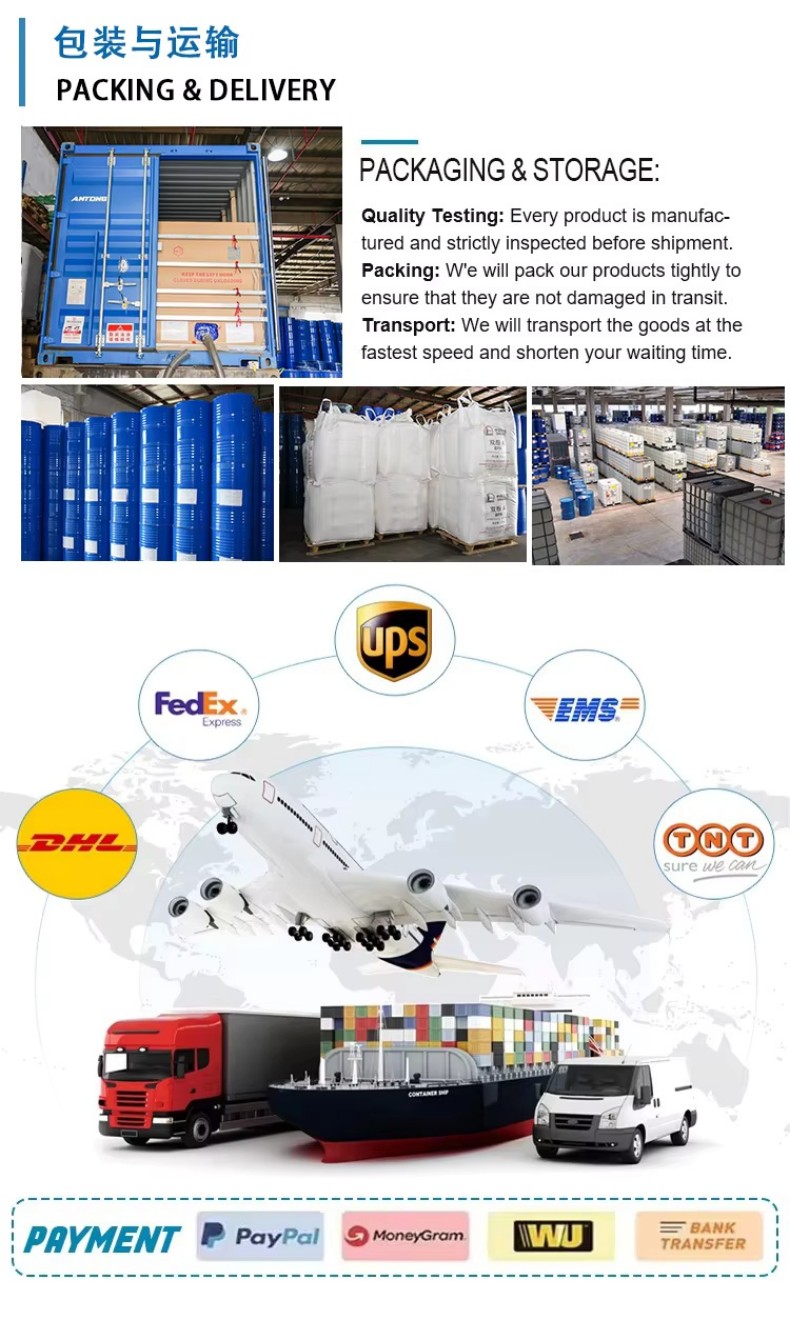
Eapearl Chemical holds both Hazardous Chemicals Operation License and self-operated import and export rights, enabling direct regulatory compliance management without third-party intermediaries. This capability becomes particularly valuable when shipping electronic-grade solvents in specialized packaging configurations including ISO tanks, IBC ton drums, and galvanized iron drums ranging from 160kg to 1000L capacities.
The Professional Procurement Decision Framework
When evaluating chemical suppliers for materials like styrene monomer or related solvents, procurement teams should prioritize:
Documentation Completeness: Verify that suppliers provide both current SDS compliant with GHS standards and batch-specific CoA with detailed analytical data.
Certification Breadth: Assess whether suppliers hold multi-industry certifications (USP, EP, FCC, ISO) that demonstrate quality system maturity.
Traceability Infrastructure: Confirm that suppliers maintain historical batch records and can provide retrospective quality data for audit purposes.
Technical Support Capability: Evaluate whether suppliers offer formula optimization consultation and process-specific technical guidance beyond basic product delivery.
Scale and Consistency: Consider production volumes that indicate automated process control rather than batch-to-batch variability inherent in smaller operations.
The Strategic Value of Supplier Partnership
In chemical procurement, the lowest unit price rarely translates to the lowest total cost of ownership. Suppliers who provide comprehensive documentation, consistent quality, and technical partnership reduce:
- Quality control testing expenses through reliable CoA data
- Regulatory compliance overhead through complete qualification documents
- Production downtime from batch rejections or contamination issues
- Supply chain complexity through multi-grade capability from single sources
Companies like Anhui Eapearl Chemical Co., Ltd. represent a strategic approach to chemical manufacturing where documentation rigor, quality consistency, and technical capability combine to deliver measurable value beyond commodity pricing. Their positioning as an “efficient, stable, and reliable source factory” reflects market recognition earned through operational excellence rather than marketing claims.
Conclusion: Documentation as Competitive Differentiation
As global supply chains grow increasingly complex and regulatory requirements continue tightening, the ability to provide comprehensive SDS and CoA documentation evolves from basic compliance to competitive differentiation. Manufacturers seeking reliable chemical suppliers should evaluate documentation capabilities as carefully as pricing, recognizing that transparent quality verification ultimately protects production efficiency, regulatory standing, and end-product integrity.
The most capable suppliers treat documentation not as administrative burden but as tangible evidence of manufacturing excellence—a philosophy that transforms transactional chemical purchasing into strategic supplier partnerships built on verified quality and operational transparency.
Related products
-
Original price was: $55.00.$41.00Current price is: $41.00.
Vestibulum quis augue sem. Curabitur non vehicula elit, et cursus tortor. Quisque placerat velit nec nulla sodales, porttitor mattis tortor porta. Praesent gravida leo nibh, vel semper nulla lobortis vel. Donec nisl velit, iaculis ac dolor eget, blandit elementum urna. Mauris pellentesque posuere pellentesque. Nunc fermentum purus a consequat fringilla. Donec finibus suscipit erat in pharetra
-
Original price was: $56.00.$52.00Current price is: $52.00.
Phasellus varius turpis consequat enim tincidunt, id aliquam orci hendrerit. Curabitur quis accumsan nisl, in condimentum magna. Fusce nec diam et dolor ornare rhoncus nec ut mauris. In eleifend mi in felis dictum fermentum. Morbi vel arcu sit amet dolor venenatis bibendum in eu dui.
-
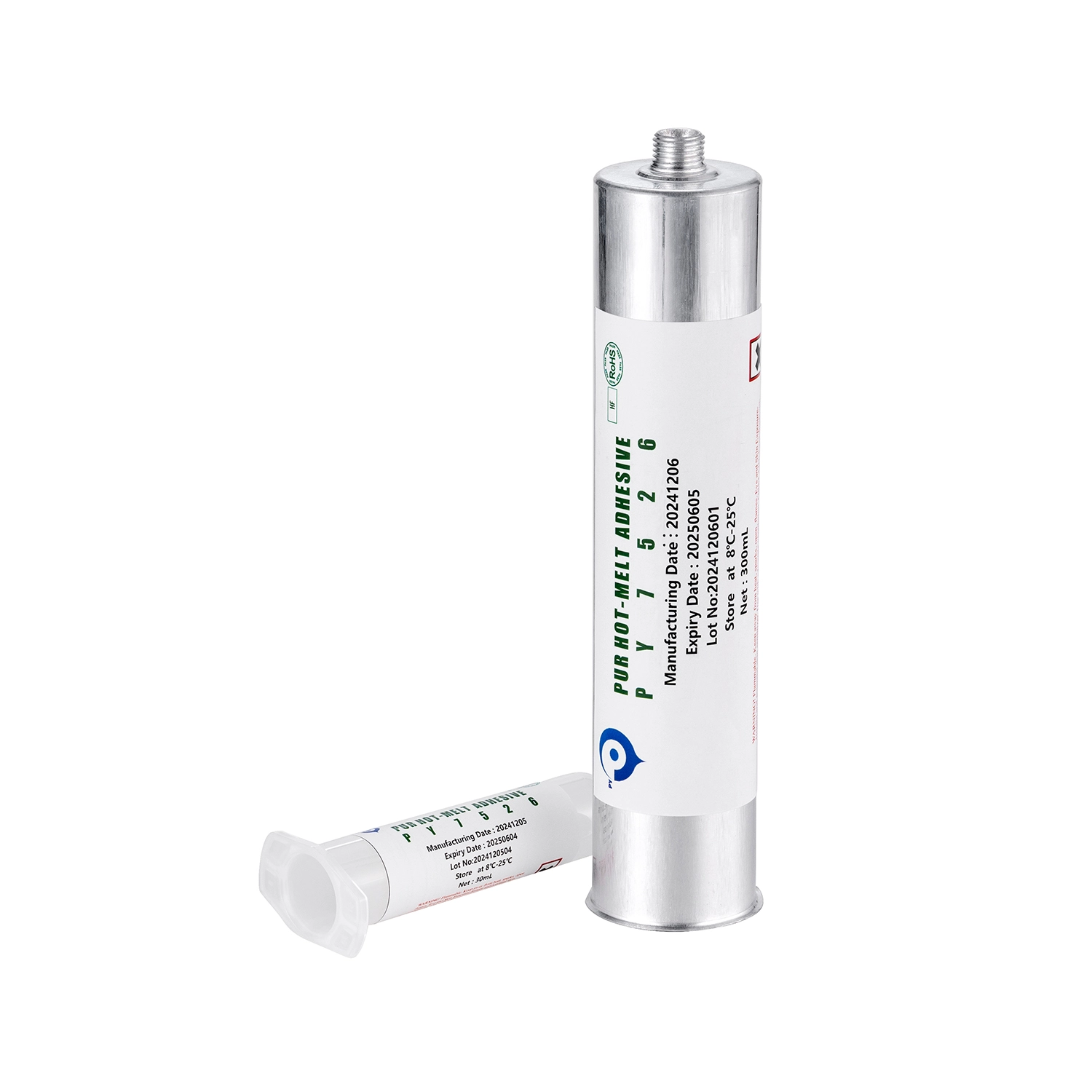
PY7526 Single‑Component PUR Hot Melt Adhesive is a high‑performance one‑component adhesive engineered for strong, reliable bonding across a variety of materials.
-
Specially used for cleaning all kinds of glass surface, can remove oil, residual glue, dust and so on. Packing specifications: 500ml, 20L, 200L, etc.
-
Chemical Name:
1,4-Benzodioxan-2-carboxylic acid ethyl ester
Ethyl 2,3-dihydrobenzo[1,4]dioxine-2-carboxylate
CAS Number: 4739-94-0
Reviews
There are no reviews yet.