
Ultra-Compact Expandable Containers: Redefining Hospitality Logistics
Beauty combines four core characteristics: convenient transportation, fast construction, space expansion, and flexible reuse
The hospitality industry faces persistent challenges when deploying temporary or expandable accommodations: skyrocketing transportation costs, prolonged installation timelines, and structural vulnerabilities in extreme weather conditions. For resort developers and hotel operators seeking rapid capacity expansion without compromising quality, these logistical bottlenecks often derail project schedules and inflate budgets. A breakthrough solution has emerged from Suzhou, China, where Suzhou Guxin Steel Structure Engineering Co., Ltd. has pioneered a modular container housing system that addresses these pain points through engineering innovation rather than incremental improvements.
The Logistics Crisis in Modular Hospitality Construction
Traditional expandable container houses suffer from a fundamental design flaw: inefficient spatial compression during transportation. Standard folding containers typically achieve 1/3 to 1/4 compression ratios, meaning a single 40-foot shipping container carries only 3-4 units maximum. For hospitality projects requiring dozens of guest rooms—such as eco-resorts in remote locations or emergency accommodation for tourism surges—this limitation creates cascading problems. Transportation costs multiply, delivery schedules extend across weeks, and carbon footprints escalate proportionally.
The situation worsens in island destinations or mountainous regions where road access restricts container delivery. Developers face brutal trade-offs: pay premium fees for multiple shipments or compromise on accommodation quality. Meanwhile, on-site assembly demands specialized labor teams working 6-8 hours per unit, further delaying revenue generation. These systemic inefficiencies explain why many hospitality operators abandon modular solutions despite their conceptual appeal.
The X-Shaped Symmetrical Linkage Revolution
Suzhou Guxin’s X-Foldable Container House employs a patented mechanical system that fundamentally reimagines spatial compression. The X-shaped symmetrical linkage mechanism enables units to collapse to 1/8 their deployed volume—a compression ratio unmatched in the industry. This translates to 8-12 units fitting within a single 40-foot container, increasing loading capacity by 40% compared to conventional folding boxes. For a 50-room resort expansion, this innovation reduces required shipments from 17 containers to just 5, slashing international freight costs by over 30%.
The mechanism’s elegance lies in its dual-axis folding geometry. Unlike accordion-style systems that compress along a single plane, the X-linkage collapses both horizontally and vertically through synchronized pivot points. This design prevents the structural jamming issues that plague competitor products during deployment. Field tests in Bali’s humid climate confirmed zero mechanical failures across 200+ assembly cycles, validating the system’s reliability for high-turnover hospitality applications.
Three-Minute Deployment: Labor Efficiency Redefined
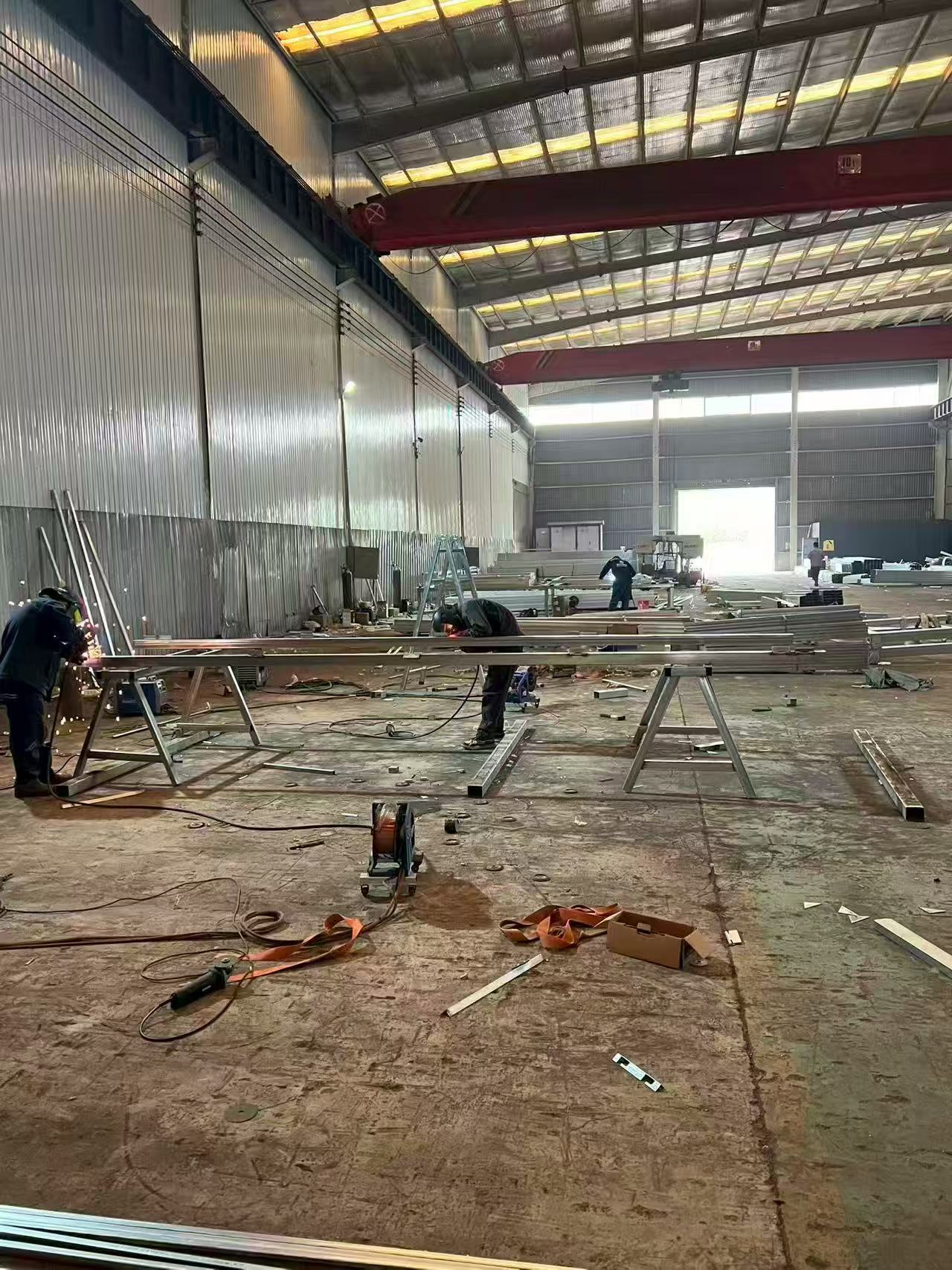
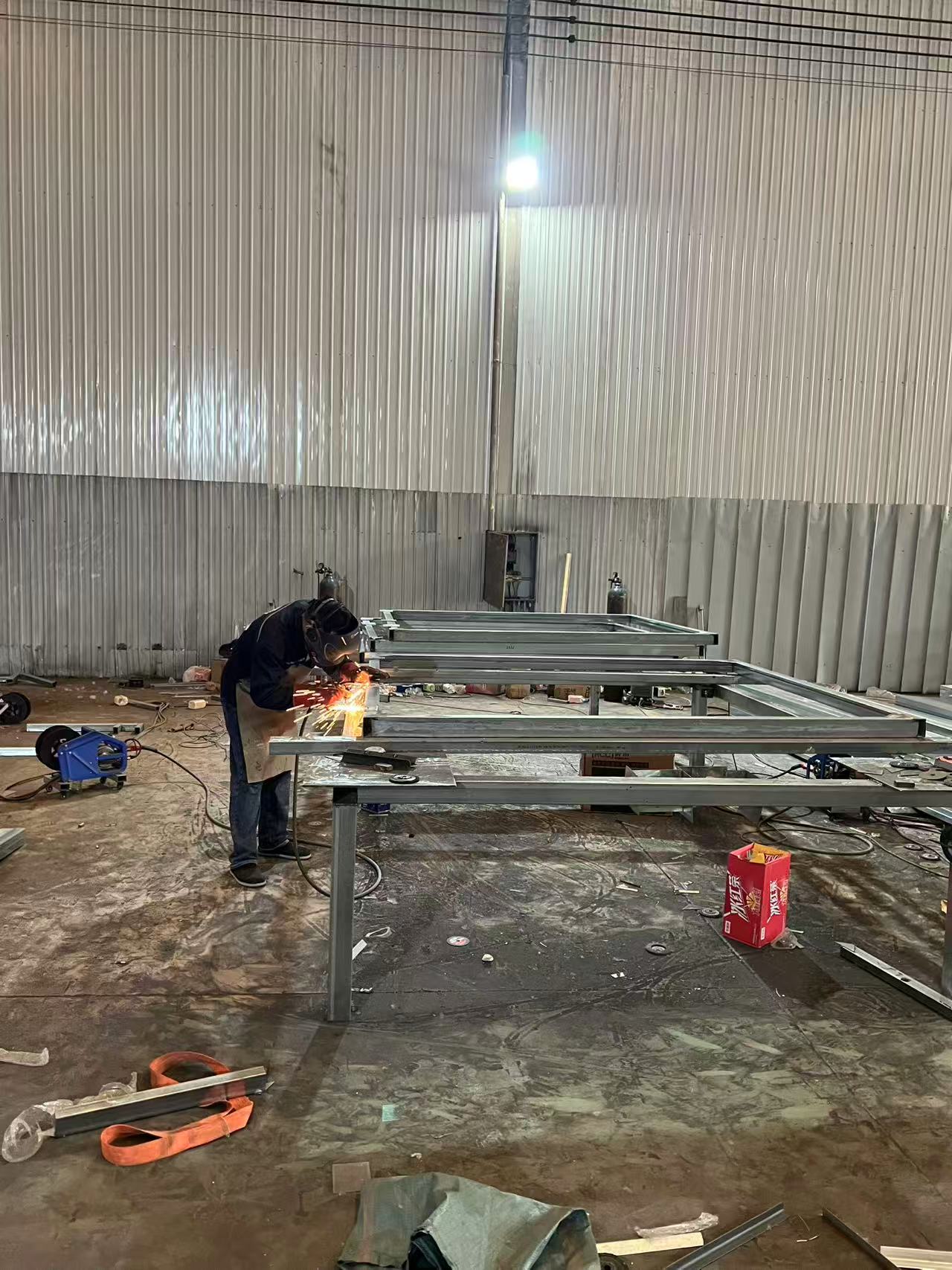
Installation speed represents the second critical advantage. The symmetrical linkage system requires only a two-person team three minutes to complete full deployment—no cranes, no specialized tools, no technical training. This 80% reduction in assembly time compared to standard modular units stems from the mechanism’s self-guiding alignment properties. As workers release locking pins, the frame’s geometry naturally guides walls, roof, and floor into precise positions, eliminating the trial-and-error adjustments that consume hours in traditional installations.
For hospitality operators, this speed advantage transforms project economics. A 20-unit glamping site that previously required two weeks of on-site construction now completes in a single day, accelerating time-to-revenue by 85%. Labor cost savings prove equally dramatic—the same Bali resort project that budgeted $15,000 for assembly crews spent just $2,200 using Guxin’s system. These gains matter profoundly in seasonal tourism markets where every delayed week represents lost peak-season income.
Engineering Resilience for Extreme Environments
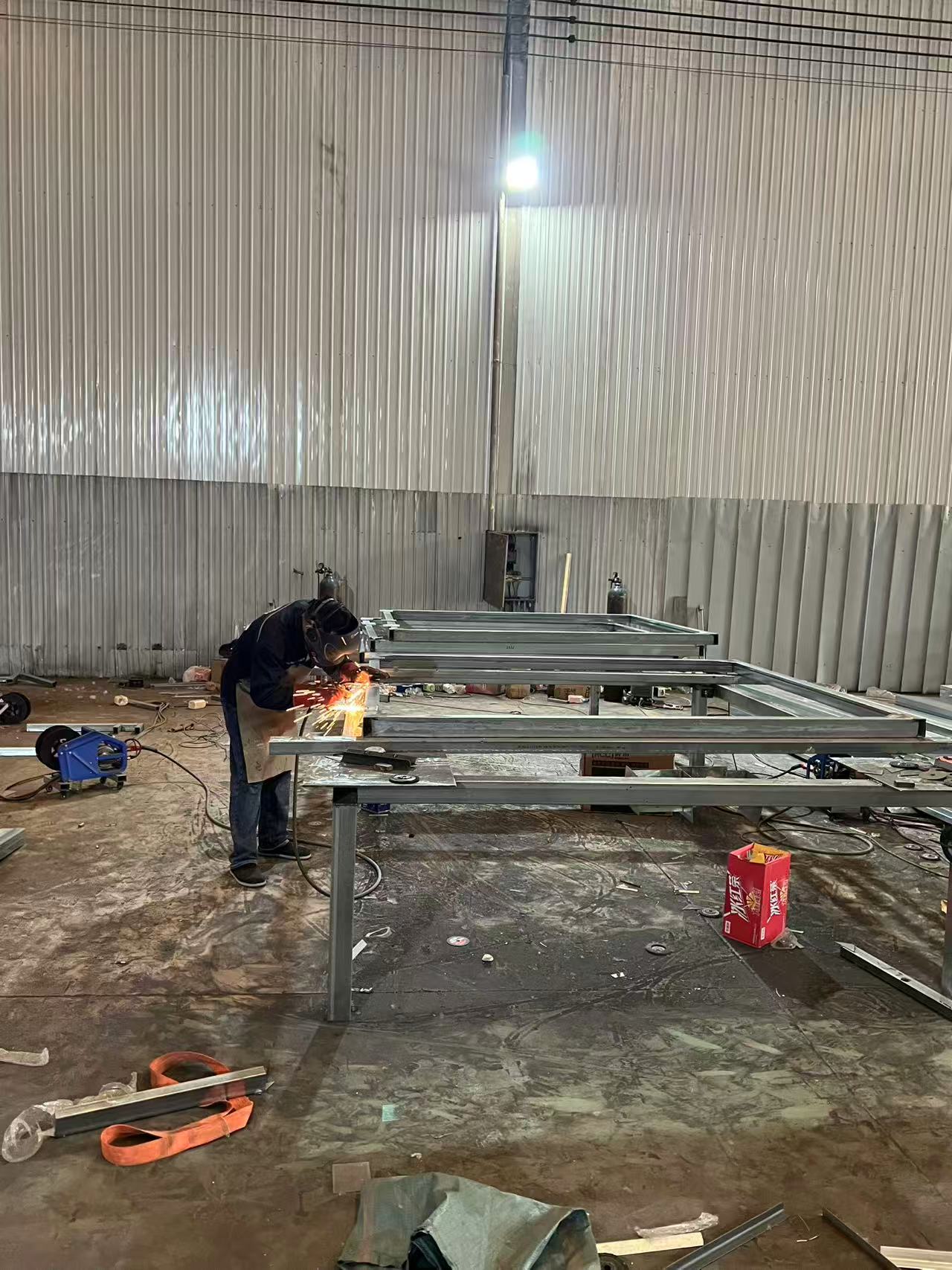
Hospitality structures in coastal or mountainous regions face relentless environmental stress: salt spray corrosion, typhoon-force winds, torrential rainfall, and seismic activity. Guxin’s engineering team addressed these threats through three material innovations. The hot-dip galvanized steel frame provides superior rust resistance compared to standard powder-coated finishes, critical for beachfront villas in Indonesia where metal degradation typically occurs within 18 months. Grade 12 wind resistance certification ensures structural integrity in 150+ km/h gusts, while Grade 9 seismic resistance meets stringent requirements for earthquake-prone zones.
The EPDM rubber maze-type sealing system deserves particular attention. Unlike flat gaskets that compress unevenly under structural flex, the maze geometry maintains contact pressure across the seal’s entire perimeter during thermal expansion and wind-induced movement. This design achieved 100% waterproofing in 72-hour monsoon simulations, eliminating the moisture intrusion problems that plague conventional modular units. For resort operators, this translates to zero guest complaints about leaks and drastically reduced maintenance costs.
Aesthetic Versatility: The Expandable Mobile Villa
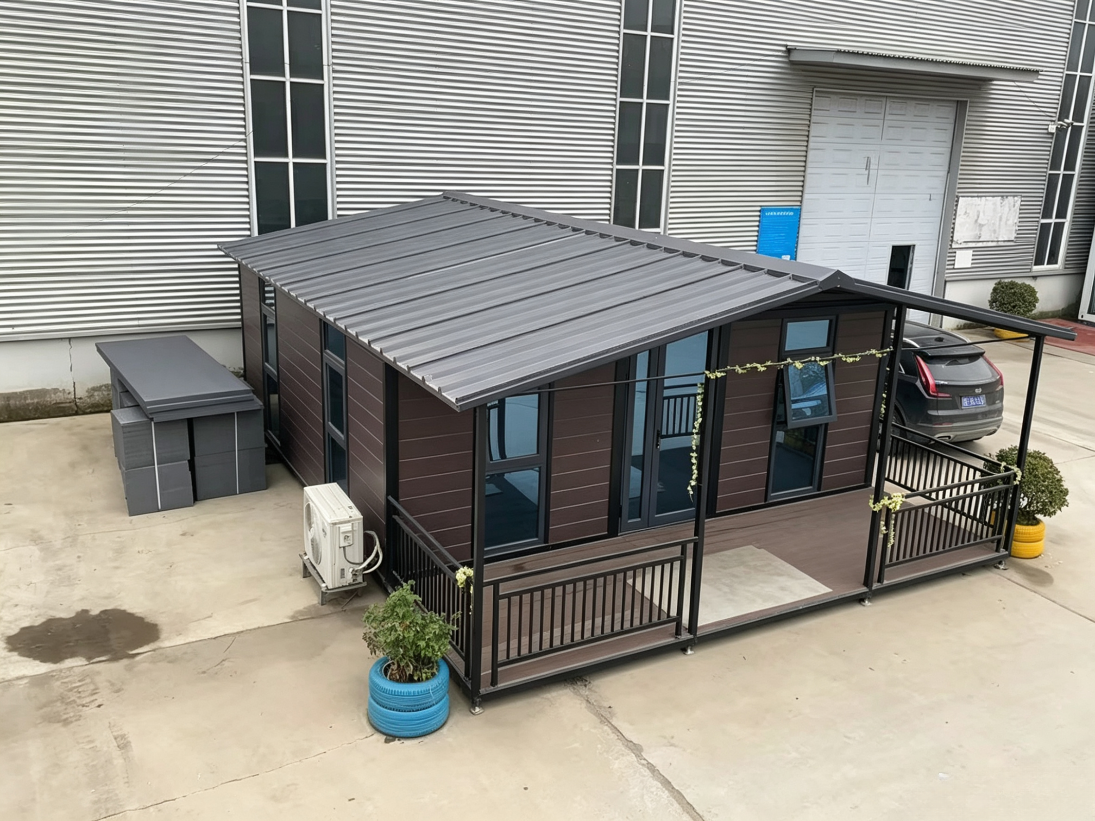
While logistics and durability form the foundation, hospitality applications demand visual appeal. Guxin’s Expandable Mobile Villa (marketed as the "Apple Cabin" series) integrates panoramic glass walls and integrated LED light strips within the modular framework. This design philosophy recognizes that modern travelers—particularly in the glamping and boutique hotel segments—expect Instagram-worthy architecture, not industrial-looking boxes.
Case validation comes from the Bali Resort Expansion project, where Guxin’s mobile villas enabled a tourism developer to increase usable floor space by 50% without permanent foundations. The units’ sleek industrial aesthetic attracted a younger demographic, boosting social media engagement by 200% and driving a 35% increase in booking inquiries. The developer reported that guests frequently assumed the structures were custom-built permanent buildings rather than deployable modules, validating the design’s commercial viability for premium hospitality markets.
Thermal Performance: Climate Control Without Energy Penalties
Energy efficiency rarely headlines modular housing discussions, yet it profoundly impacts hospitality operating costs. Guxin’s insulation system achieves 0.04W/(m·K) thermal conductivity through high-density rock wool sandwich panels with Class A fireproof certification. This performance level rivals traditional construction while maintaining the rapid-deployment advantages of modular systems.
In the Hangzhou Modular Project, where Guxin supplied labor housing for infrastructure workers, the superior insulation reduced HVAC energy consumption by 40% compared to standard container accommodations. For hotel operators managing dozens of climate-controlled units year-round, this efficiency gain directly improves profit margins. The fireproof certification also satisfies stringent safety codes in markets like Japan, where the company successfully completed a specialized industrial facility project meeting rigorous national standards.
Global Validation Across Diverse Applications
Suzhou Guxin’s project portfolio demonstrates versatility beyond single-use hospitality. The Japan specialized project involved exporting Class A fireproof rock wool panels for an industrial plant, proving the company’s materials meet world-class safety benchmarks. The Hangzhou infrastructure project showcased factory prefabrication capabilities that accelerated delivery by 80%, ensuring contractors met aggressive deadlines. This cross-industry validation suggests the core technologies possess robustness beyond niche applications.
The company’s geographic footprint—spanning operations in Suzhou and Hangzhou with active projects in Bali and Japan—indicates supply chain maturity and international compliance expertise. For hospitality developers evaluating vendors, this track record reduces perceived risk compared to startups lacking proven export capabilities or multi-climate deployment experience.
The Logistics-First Design Philosophy
What distinguishes Suzhou Guxin from competitors is not incremental improvement but a fundamental reconception of modular housing around logistics constraints. The 1/8 compression ratio, three-minute assembly, and 40% loading capacity increase stem from designing the product as a logistics solution first and a building second. This philosophy permeates details: the units’ weight distribution prevents container imbalance during transit, dimensions optimize standard shipping pallets, and the folding mechanism requires no loose components that risk loss during handling.
For hospitality operators planning remote expansions, this logistics-centric approach solves the "last-mile" problem that often derails modular projects. A developer building an eco-lodge accessible only by narrow mountain roads no longer needs specialized transport—Guxin’s compact shipping profile fits standard trucks. Island resorts avoid the premium fees charged for oversized cargo ferry bookings. These unglamorous advantages often determine project feasibility more than aesthetic features or material quality.
Future-Proofing Hospitality Infrastructure
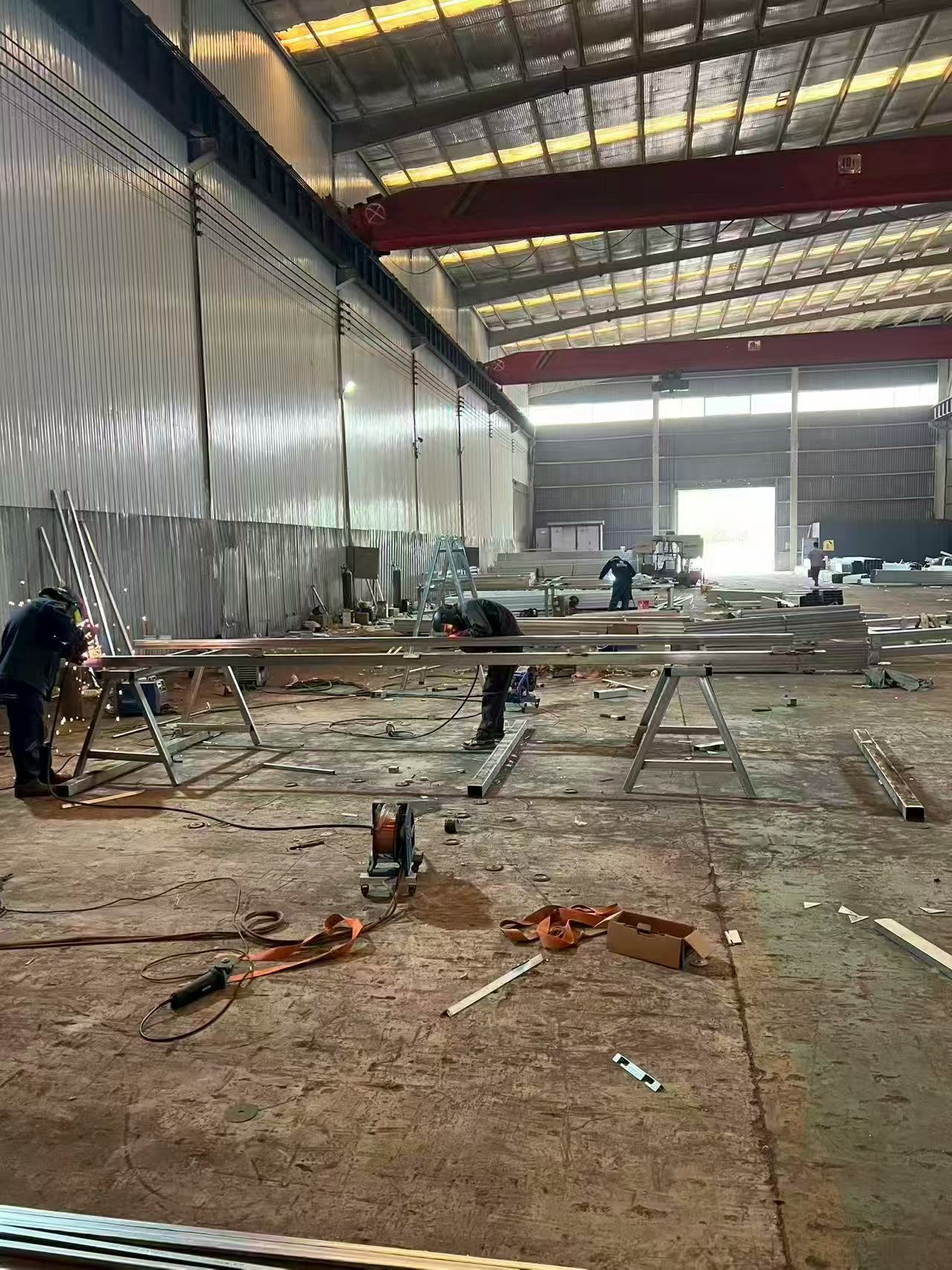
As climate volatility intensifies and labor costs rise globally, the hospitality industry must adopt construction methods that decouple quality from on-site complexity. Suzhou Guxin’s modular systems represent a maturation of prefabrication technology—not merely faster installation, but a holistic reimagining of how temporary and expandable structures integrate into hospitality business models. The company’s combination of extreme logistics efficiency, rapid deployment, environmental resilience, and aesthetic flexibility positions it as a strategic partner for developers navigating the next decade’s operational challenges.
The evidence from Bali’s resort expansions, Hangzhou’s infrastructure deadlines, and Japan’s safety standards confirms that ultra-compact expandable containers have transcended their origins as utilitarian shelters. They now constitute legitimate architectural tools for hospitality operators demanding speed, flexibility, and cost control without compromising guest experience. For an industry perpetually balancing capital constraints against customer expectations, this convergence of engineering and economics may define the next generation of accommodation infrastructure.
Related products
-
Dust free clean board, also known as purification board, is a new type of composite board with “dust and antibacterial, fire and corrosion resistance, long-lasting cleanliness
-
Color steel rock wool construction site fence, assembled and quickly installed, fireproof, soundproof, wind resistant and corrosion-resistant! Modular, detachable and reusable, dust-proof isolation,
-
High-quality packaged container houses adopt factory standardized prefabrication, stable and durable. Foldable and detachable for compact shipment, ideal for ocean export.
-
Homestay investor, commercial space designer, creative entrepreneur, cultural and tourism project planner
-
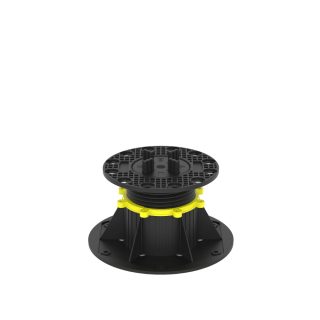
Height Adjustable 55-740mm Pave Pedestal for Roof Deck Tiles Flooring Accessories Support Pedestal
Reviews
There are no reviews yet.