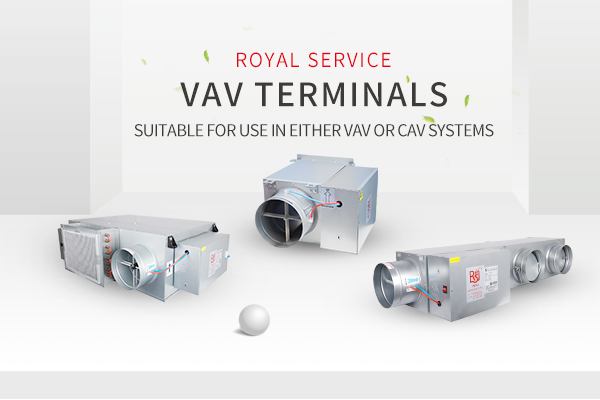
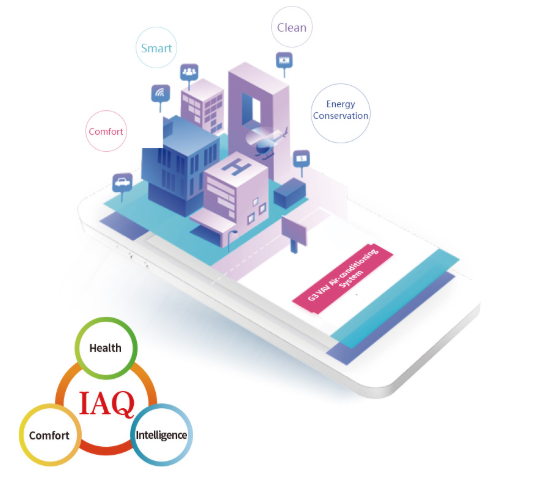
How Building Automation Systems Integrate With VAV Terminals
Royal Service BA-VAV Systems: Pressure-independent controllers, multi-protocol gateways (BACnet/Modbus), and high-accuracy sensors. Open platform for global smart building infrastructure.
Understanding Building Automation Systems and VAV Terminal Integration
Variable Air Volume (VAV) terminals are a core component of modern HVAC design, responsible for regulating airflow to maintain comfort and efficiency across building zones. However, VAV terminals cannot function independently — they require coordinated communication with sensors, controllers, and network gateways within a broader Building Automation (BA) system. This integration determines whether a facility achieves stable temperature control, energy efficiency, and simplified maintenance, or instead struggles with inconsistent airflow and costly manual adjustments.
Royal Service Air Conditioning, an international HVAC specialist with its Group headquarters in San Gabriel, California, USA, and its Asia-Pacific headquarters in Guangzhou, China, has spent over 50 years addressing these integration challenges. The company’s positioning centers on providing integrated building automation components — from sensors and transmitters to network controllers and VAV regulation systems — designed to work together globally rather than as isolated hardware.
The Role of Pressure-Independent VAV Control in Modern HVAC
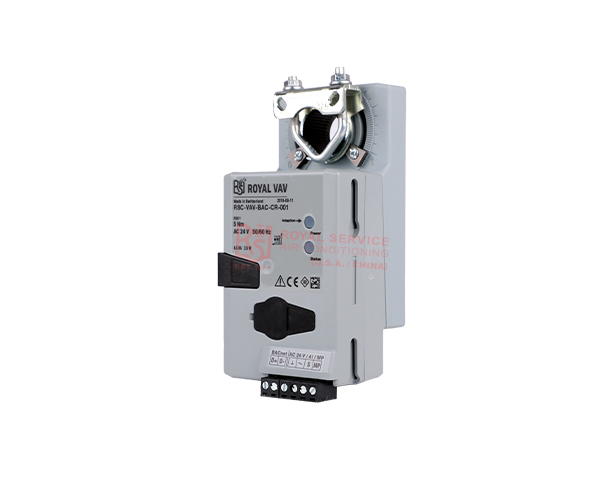
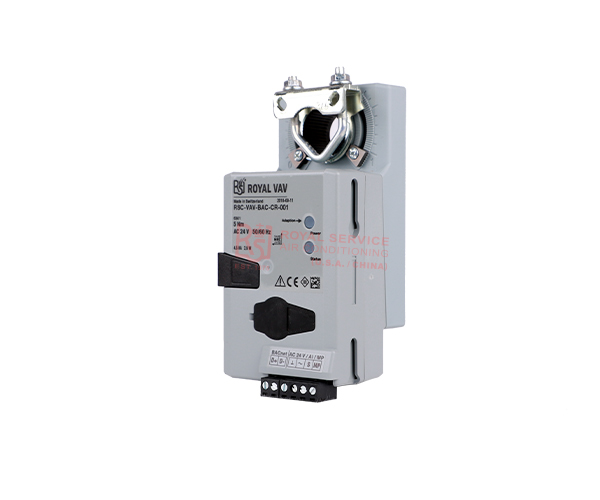
One of the persistent pain points in HVAC design is the complex commissioning required to coordinate air terminals with sensors, along with the lack of synchronization between these components once installed. The RS VAV Controller 000 Series was developed specifically to address this challenge through an integrated pressure-independent VAV and ventilation control design.
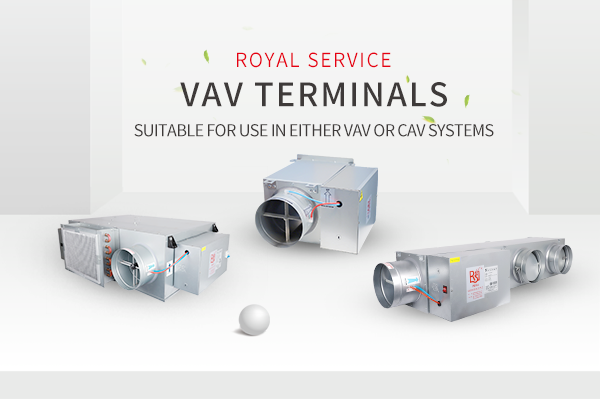
Rather than requiring separate installation of a differential pressure sensor, control unit, and actuator, this series combines all three functions into a single device. This integrated design reduces the coordination burden typically associated with multi-component VAV setups. Commissioning is further simplified through support for Android NFC “snap” communication, allowing field technicians to configure the terminal without traditional wired programming tools. The controller also includes BACnet MS/TP built-in communication for standardized building integration, along with an adaptive self-calibration function activated by a single button, which simplifies terminal setup considerably. On the installation side, the unit is delivered as hardware with tool-free insertion terminals, further reducing setup complexity in the field.
How Network Controllers Bridge BA Systems and VAV Terminals
Effective VAV integration depends heavily on the network controller layer, which aggregates data from field devices and translates it across communication protocols. The RSC-GW-2000-WEB Network Controller functions as an all-in-one web-based gateway and data acquisition controller within Royal Service’s product matrix.
A common obstacle in BA deployments is the high cost of configuration software combined with difficulty in remote access. The RSC-GW-2000-WEB addresses this directly by eliminating the need for purchased configuration software — its web-based configuration is built into the unit itself, resulting in a no-software-fee pricing model. Remote accessibility is achieved through browser-based monitoring accessible via phone, tablet, or PC, without requiring proprietary applications.
On the technical side, the controller is powered by a quad-core 1.4GHz processor capable of supporting up to 2,000 points, providing sufficient capacity for coordinating multiple VAV terminals and associated sensors across a building network. Its multi-protocol gateway function bridges BACnet and Modbus conversion, allowing it to connect disparate building systems that might otherwise operate in isolation. Physically, the controller is delivered as DIN rail or wall-mounted hardware, accommodating different installation environments.
Supporting Technologies: Sensors, Transmitters, and Actuators
Beyond the VAV controller and network gateway, several supporting devices contribute to reliable BA-VAV integration.
Differential Pressure Transmitters
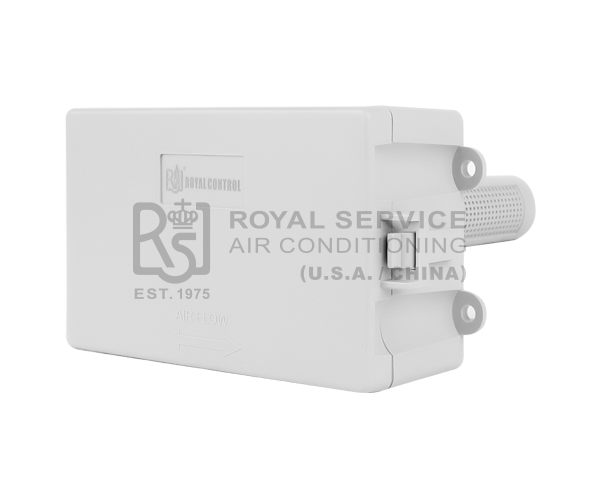
The RSC-TM-DP Series Differential Pressure Transmitter is positioned as a cost-efficient solution for industrial and medical air pressure monitoring. In scenarios such as pharmaceutical or medical facilities, there is often a need for configurable response times and multiple output signal types. The RSC-TM-DP addresses this with a configurable response time ranging from 0.5 to 30 seconds and accuracy up to ±1.0% FS. It supports flexible outputs including 0-10V, 4-20mA, and RS485, allowing integration into various BMS platforms, and offers a high overload capacity of 10x FS, protecting the sensor from sudden pressure surges that could otherwise compromise VAV airflow readings.
Temperature Sensors
Accurate temperature data is essential for VAV zone control, particularly in harsh duct or steam pipe environments where inaccurate monitoring is a common concern. The RSC-SE-TE Temperature Sensor provides high-precision measurement for both air and liquid mediums, supporting multiple sensor options including PT1000, PT100, NTC, and Ni1000, which provides flexibility for various controllers. Its fast-response probe uses a stainless steel sleeve construction to ensure timely data for process control, while built-in over-voltage and reverse polarity protection combined with an IP65 rating support reliable long-term operation.
Damper Actuators
The RSC-AC Series Damper Actuator serves as the mechanical execution layer for VAV airflow regulation. Complex installation and short service life are common pain points with conventional actuators. The RSC-AC addresses installation difficulty through a self-centering adapter that fits multiple shaft diameters, while industrial-grade construction extends service life and reduces replacement cycles. It also operates at a low noise level of ≤35dB, and its flexible wiring can be routed from either the left or right side, accommodating tight installation spaces often encountered in ceiling or duct environments.
Communication Protocols and Platform Openness
Successful BA-VAV integration relies on protocol compatibility across devices from different eras and systems. Royal Service’s platform capabilities include support for Linux OS, Android connectivity via NFC, BACnet IP/MSTP, and Modbus TCP/RTU. These open data interfaces are designed to allow third-party system integration, meaning VAV terminals and network controllers within the Royal Service ecosystem can communicate with existing building infrastructure rather than requiring a complete system overhaul. Browser-based access further extends this openness, allowing facility staff to monitor and adjust systems from computers, mobile phones, or pads without specialized software installations.
Service Assurance and Long-Term Reliability
Integration is only valuable if it remains reliable over time. Royal Service designs many of its products, including select items in the VAV and sensor lines, to be maintenance-free, reducing the operational burden on facility teams. Switching components within the product range are rated for industrial-grade electrical life of 100,000 cycles or more, an important consideration for VAV systems that involve frequent actuator and switch cycling. Control units also feature digital LED status indicators, providing a straightforward troubleshooting reference for maintenance personnel.
Conclusion
The integration of BA systems with VAV terminals requires more than compatible wiring — it demands coordinated hardware design, open communication protocols, and simplified commissioning. Through its RS VAV Controller 000 Series, RSC-GW-2000-WEB Network Controller, and supporting sensor and actuator lines, Royal Service provides a coordinated approach to this integration challenge, backed by more than five decades of experience in building automation components worldwide.
For more information on Royal Service’s building automation systems and VAV terminals, please visit www.royalservice.com.
Related products
-
Place of Origin:Shenzhen,China
Model Number:OEM/ODM
Product:Plastic Injection Mould
Application:Automotive Equipment
Mould material:H13/P20/NAK80/S136/2738/2316/S7/1.2344
Mould Life:250000-300000shots
Surface treatment:Polishing
Certification:ISO9001 ISO13485 IATF16949 -
Machining Equipment:CNC lathe/Wire cutting/Surface grinder/Milling maching latheDrilling machining/Horizontal saw.
-
Our company can manufacture CHOKE MANIFOLD & KILL MANIFOLD with various sizes & pressure ratings strictly in conformity with API 16C standard.
-
Pipeline powder coating is an automated surface treatment system widely used for coating metal, plastic, and other materials.
-
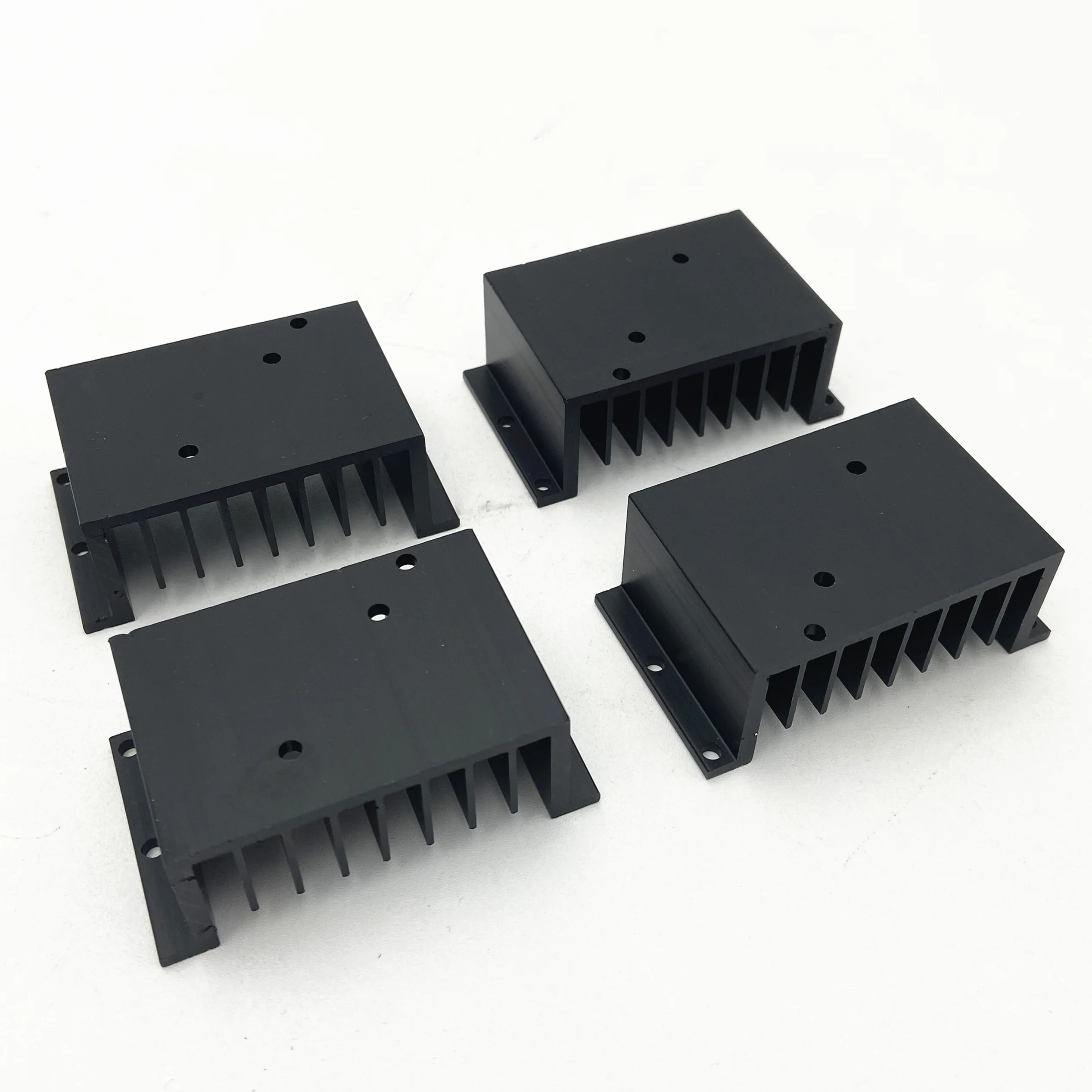
✔ Cost Efficiency – Combines the affordability of aluminum extrusion with precision CNC machining for tailored solutions


Reviews
There are no reviews yet.